Knitting bootees in autumn: getting ready for a first winter with two needles
As October nears the knitting baskets come out, and the first thing anyone knits is always the same: a pair of bootees. They are small, they are done in an evening, and they open the door to a baby’s first winter. The bootees my mother and I knitted for Mehmet Emde’s first winter taught me how much one small pair can hold.
By Merve Çokal Doğan · · 3 min read
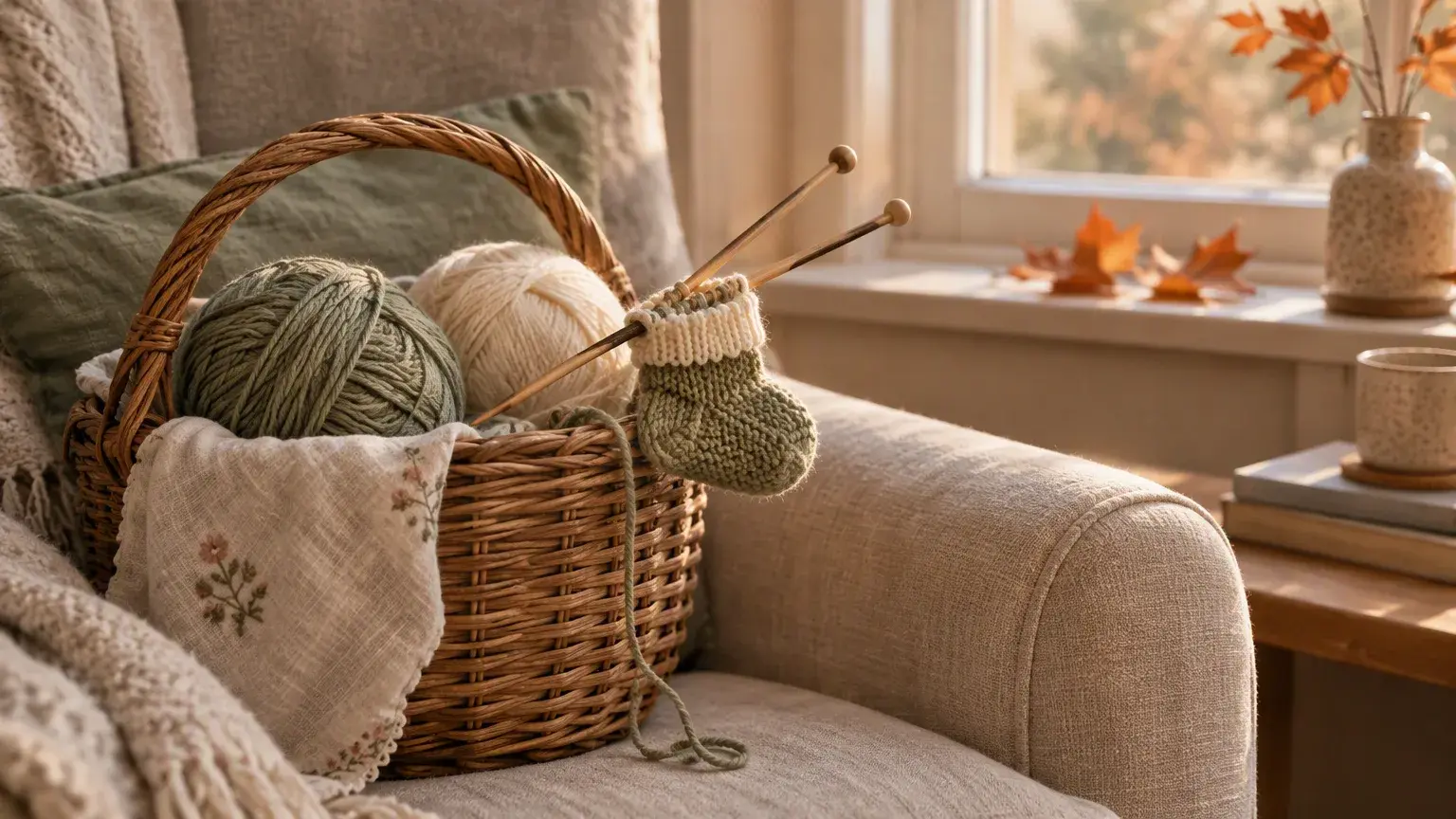
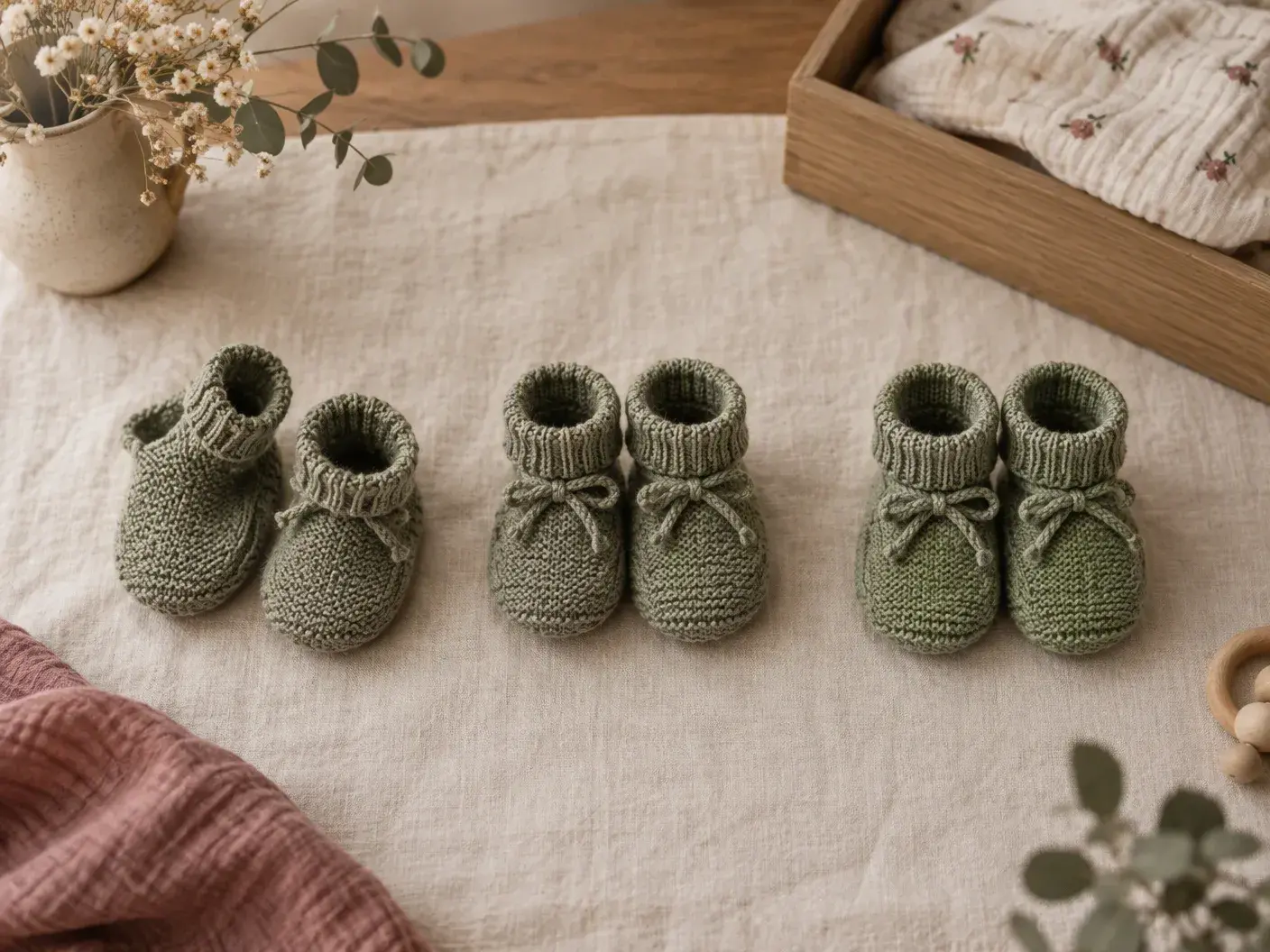
Mehmet Emde was born in İstanbul, and as his first winter approached I noticed something: none of my four boys’ bootees matched. Süleyman Taha’s had been knitted in Konya by his aunt. Muammer Esat’s by my mother. Hamza Bera’s we had bought ready-made in the chaos of moving. Mehmet Emde had none.
In the first week of October my mother arrived with two needles and two balls of yarn in her bag. “This time you knit,” she said. “I’ll only count.”
Why bootees come first
Anyone who takes up knitting starts with a patik — a baby bootee. A jumper takes weeks; a scarf never seems to end. A bootee is finished in an evening. It is small, a mistake can be unravelled and redone, and when it is done you are holding something real: a thing that will go on a baby’s foot.
Then there is the timing. Autumn is knitting’s season; the evenings shorten, life turns indoors, hands want something to do. And if there is a baby, and that baby’s first winter is coming, the hands think of the feet first. A bootee is the smallest way of saying “winter is coming, and you are ready”.
One who counts, one who knits
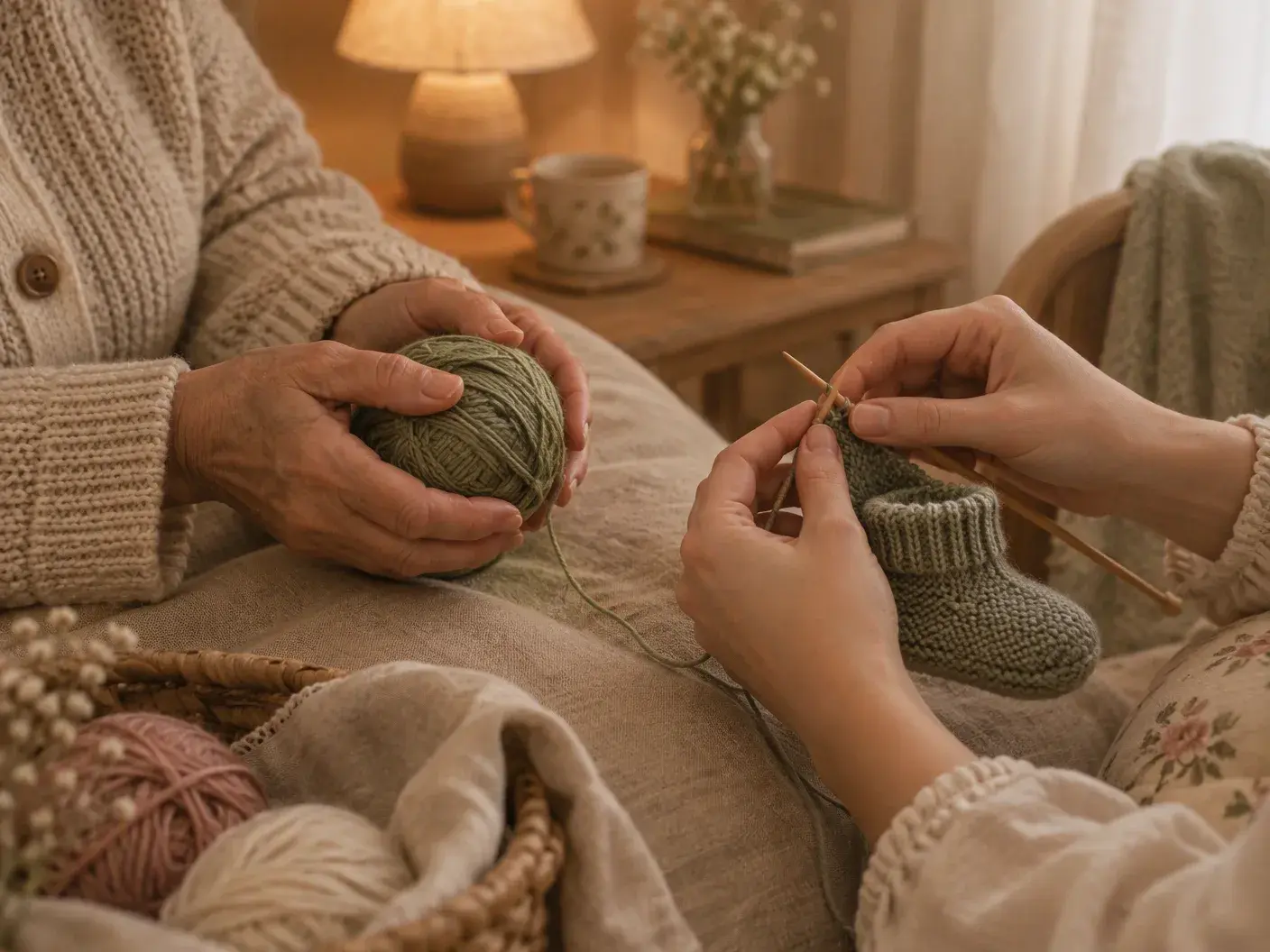
Through those October evenings my mother counted and I knitted. “Twelve stitches. Now purl two. Pick one up.” I was learning to hold needles; she had learned half a century earlier. Both of us under the lamp, in silence, while Mehmet Emde slept.
The first bootee was a disaster. The right side bigger than the left, the heel askew. My mother looked at it and said, “He’ll wear it.” He did. The second was a little straighter. The third pair was finished in November, and that pair is still here.
I think that is knitting’s secret: nothing comes out right the first time, and it doesn’t matter in the least. The baby doesn’t know the bootee is crooked. The only one who knows is the one who knitted it — and years later, looking at the crooked heel, she remembers the evening.
Two needles, one ball, one evening
Very little is needed. One ball of baby yarn — soft, non-itchy, washable. Two needles, thick ones, so it goes quickly. And someone to count. If there is no one, the phone can count; but it is far better when there is someone.
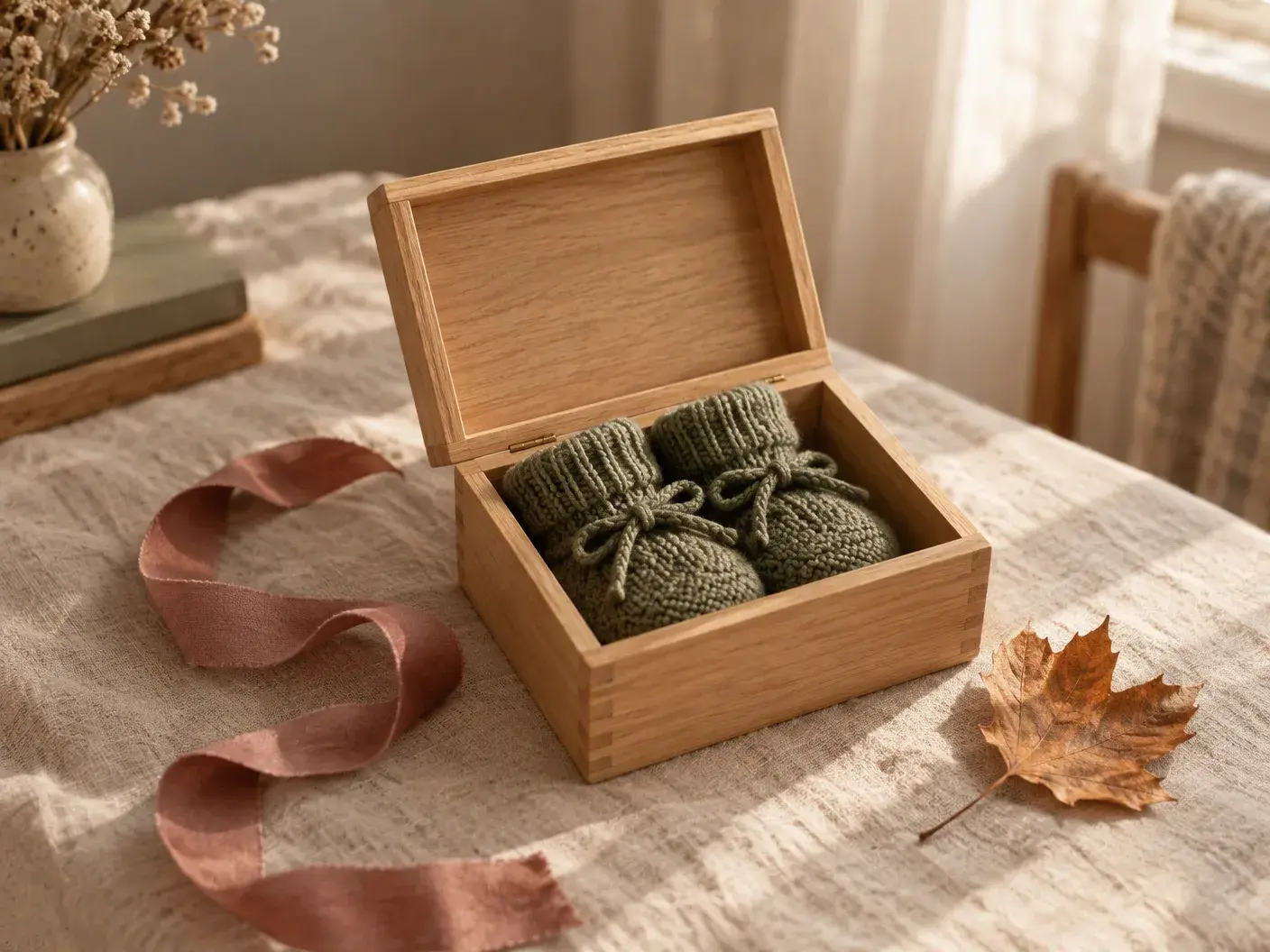
My mother said something as she left: “Knitting the bootee is easy. The hard part is not throwing it away when the foot outgrows it.” She was right. Mehmet Emde’s third pair is in a box; his feet outgrew them long ago.
Starting to knit in a Turkish autumn
- Ask for bebe yünü. Every tuhafiye knows the difference: baby yarn is soft, hypoallergenic and machine-washable. For colour, dusty rose, cream, sage — they all go together.
- Thick needles, medium yarn. Size 4–5 needles and a mid-weight yarn: a bootee in an evening, and the motivation survives.
- A person, not a video. You can learn bootees from YouTube; but learn from a grandmother and the bootee belongs to two people.
- Halk Eğitim knitting courses open in October, with enrolment at the end of September. If nobody in the neighbourhood knits, start there.
- Keep the first pair. The crooked one. The good pairs get worn; the crooked one gets remembered.
One more thing to keep beside the bootees
The first winter’s bootees go into the box, and the other small things of that winter go in with them. But let there be something outside the box too, on a shelf or a wall — something that says every day whose winter it was.
The four facts of a first winter, in one keepsake
Name, birth date, weight and length, kept for good on a palm-sized keepsake that sits on the shelf beside the bootee box.
The third pair
This October the basket will come out again. My mother no longer counts; I count, and Hamza Bera knits. His first bootee will be crooked. “He’ll wear it,” I will say. Because that is how I was taught.
— Merve Çokal Doğan
Questions from readers
Mothers ask, we answer — questions under this story that others may have too.
Ask your own question
Ask the author anything about this story. We send a one-time code to your WhatsApp so real mothers, not bots, get answered — your number is never shown.
Keep reading
Knitting & Crochet
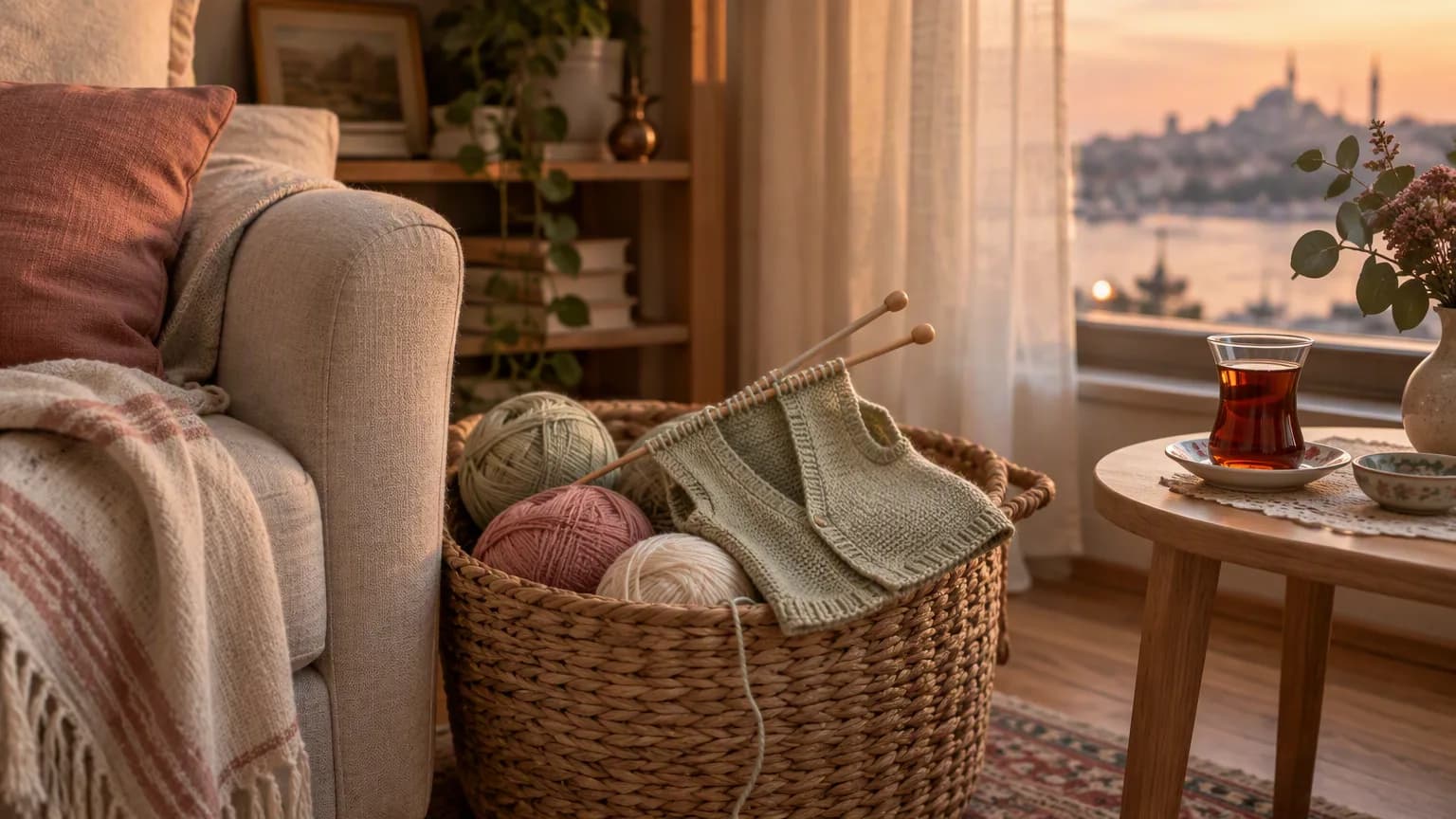
One stitch, one breath: why knitting is the calmest thing we do
In hospital waiting rooms, on bus seats, in front of the evening news — women in Türkiye were always knitting something. Now the needles are back in young hands, and doctors are saying what grandmothers already knew: knitting calms you down.
· 4 min read
Mother & Baby
Knowing, it turns out, is not living it
For years, a nurse explained to mothers why a baby might cry. Then she held her own son, Mete, and learned that knowing something is not the same as living it. Damla Nur Bozkaya on healing after a caesarean, the question “Is it enough?”, and learning to look at herself kindly.
· 5 min read
Mother & Baby
Moving to Türkiye, motherhood and… my new secret ritual
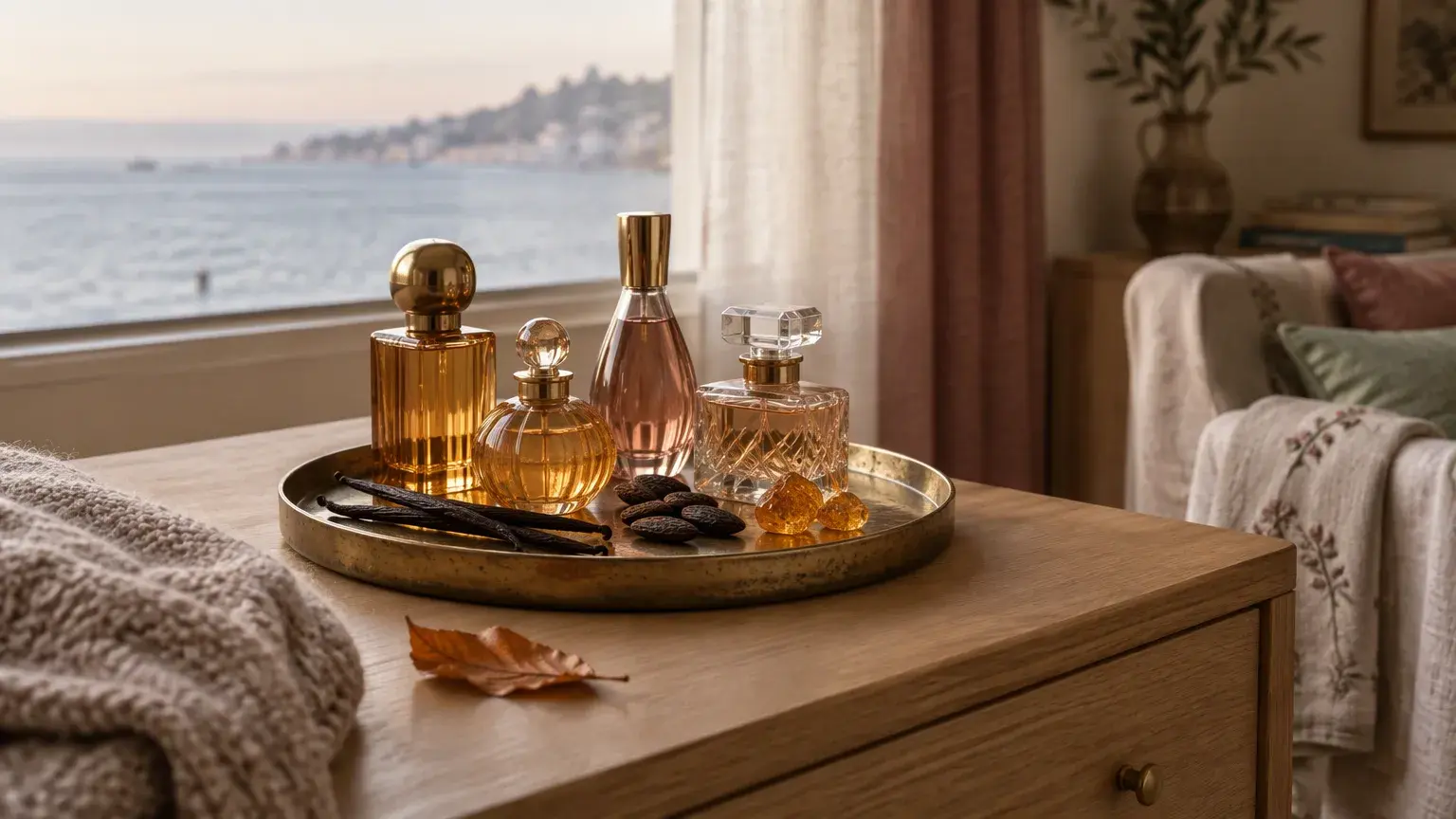
Between a new country and a baby to look after, Kristina Çelik refused to leave herself for “later” — and fell under the spell of perfume. She shares the warm notes she loves for autumn: spiced vanilla and amber, sandalwood and cardamom, coffee and chocolate.
· 2 min read