Knowing, it turns out, is not living it
For years, a nurse explained to mothers why a baby might cry. Then she held her own son, Mete, and learned that knowing something is not the same as living it. Damla Nur Bozkaya on healing after a caesarean, the question “Is it enough?”, and learning to look at herself kindly.
By Damla Nur Bozkaya · · 5 min read
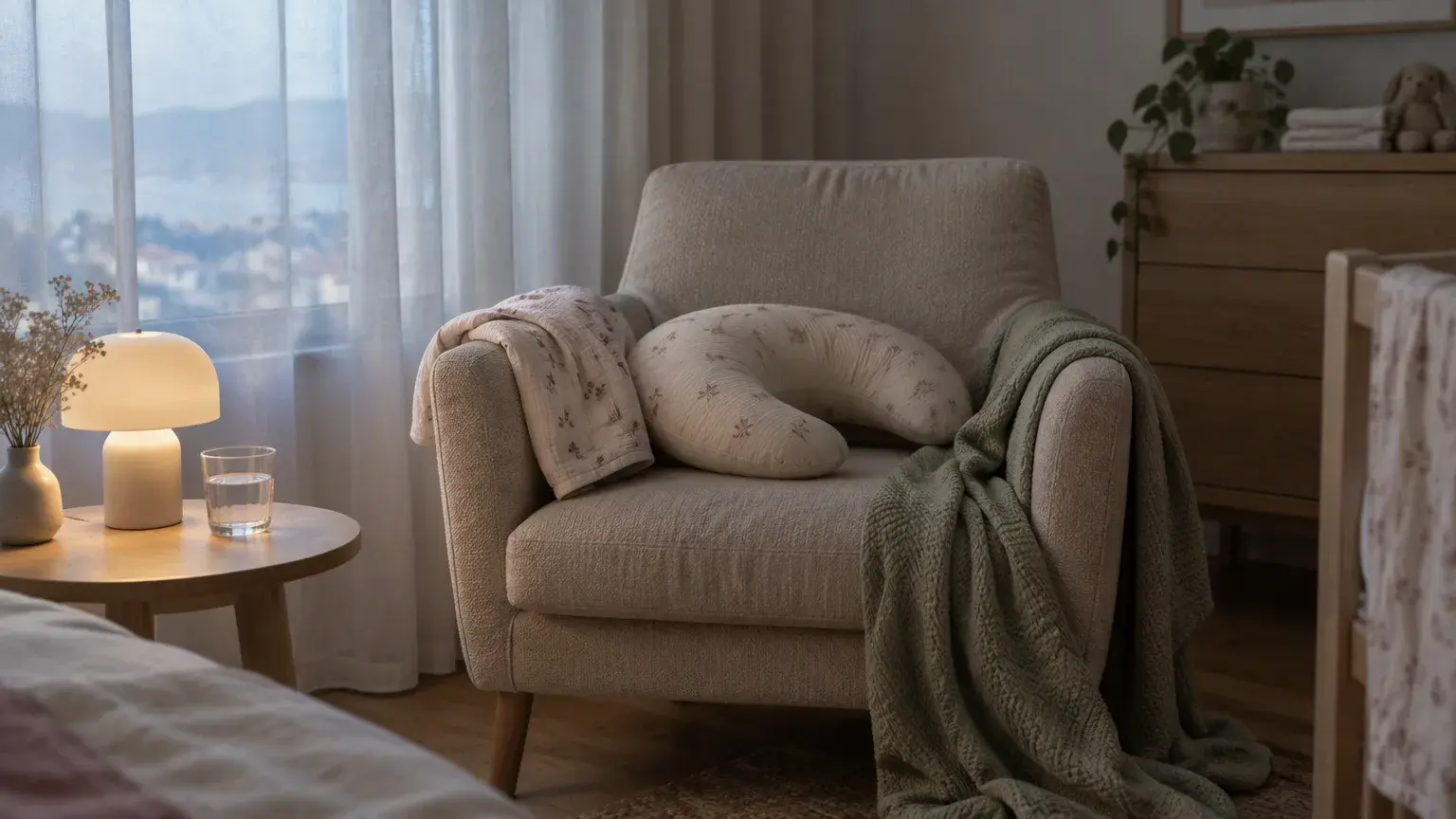
I knew why a baby might cry.
Hunger, wind, tiredness, the need to be held close… I had been explaining these to other people for years. But when Mete pulled away from the breast and cried, every reason I knew ran through my mind, and not one of them was enough to settle me in that moment.
I was holding my own baby. I wanted to feed him.
Before I became a mother, I thought I knew about lohusalık, the weeks after birth, too. That the body takes time to heal, what sleeplessness does to a person, that breastfeeding doesn’t always fall into place by itself… I knew all of it. Then I gave birth by caesarean. Trying to keep up with Mete’s needs in a body that was still trying to heal, I learned that knowing something is not the same as living it.
Some days, my hours passed between one feed and the next. I put him to the breast, tried again, pumped, looked for ways to make more milk. At night, when I heard him swallow, I could breathe again. In the daytime, when he let go and cried, I came back to the same question: Is it enough?
I wanted so much for my milk to be enough for Mete that I sometimes noticed I had built my whole day around it. When a feed went well I was happy; when it went badly I wondered what I needed to change in myself. And yet I had just given birth too. I also needed rest, to be understood, and sometimes simply to cry.
When I looked in the mirror, I was trying to get used to myself as well. The weight I had gained in pregnancy, a body that didn’t go straight back to how it had been after the birth, my changed breasts… I knew all of this was natural. Still, when I picked up my old clothes or looked at a photograph of myself, what I knew didn’t always change what I felt.
Sometimes, while everyone was asking how the baby was, I wished someone would ask me, “And how are you?” Because it wasn’t only my body that had changed. I was someone’s mother now, every hour of the day. It was an identity I loved, one I had wanted, one I would do a great deal for. But at times I found myself looking inside it for the woman I used to be.
I spent part of my lohusalık at my mother’s home. Her support did me good. But you can miss your own home even at your mother’s side. Sometimes, even with people who love you all around, you long for the life you were used to, for your husband close by, for your own way of doing things. Feeling this doesn’t make the support you are given any less precious.
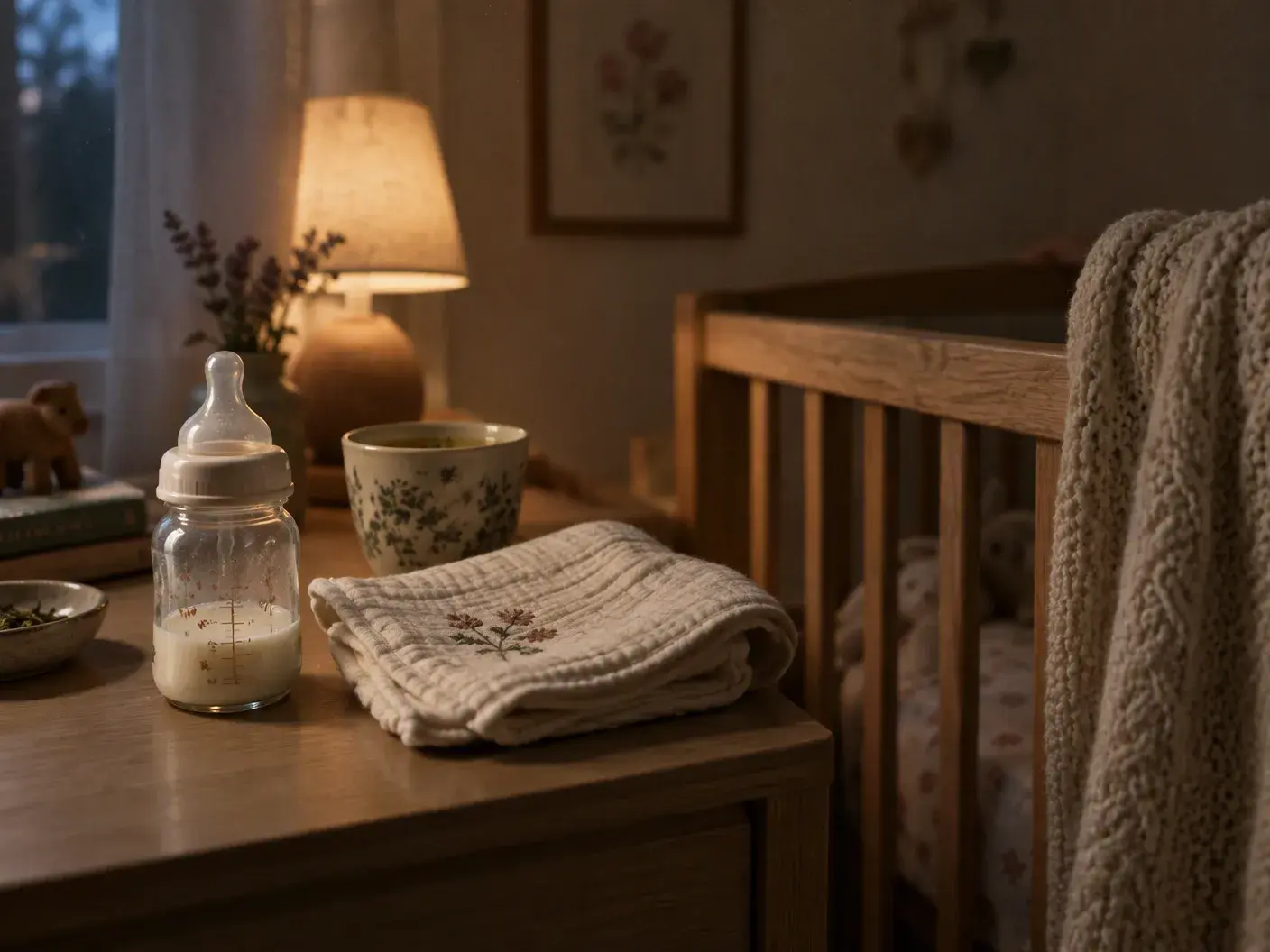
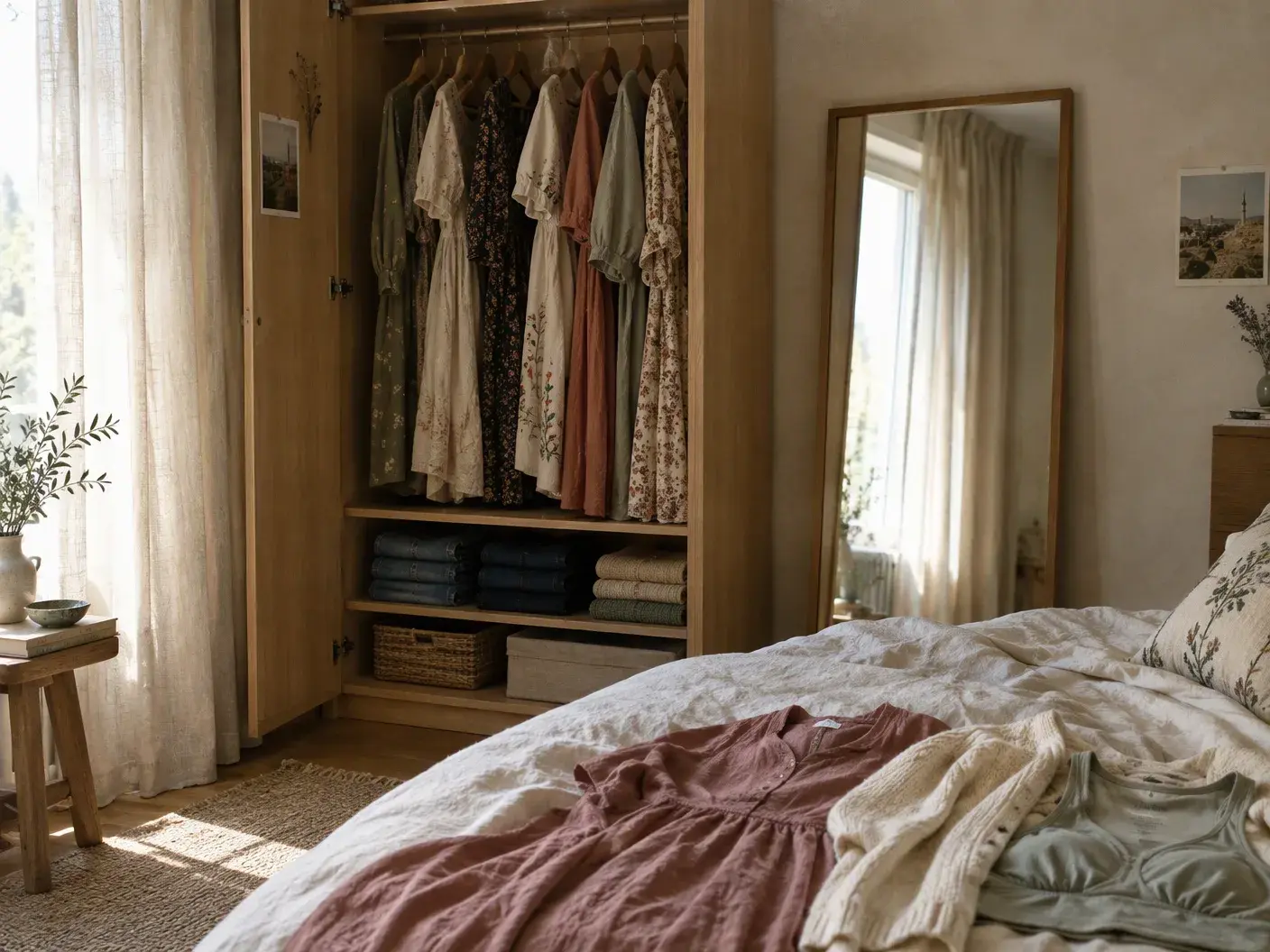
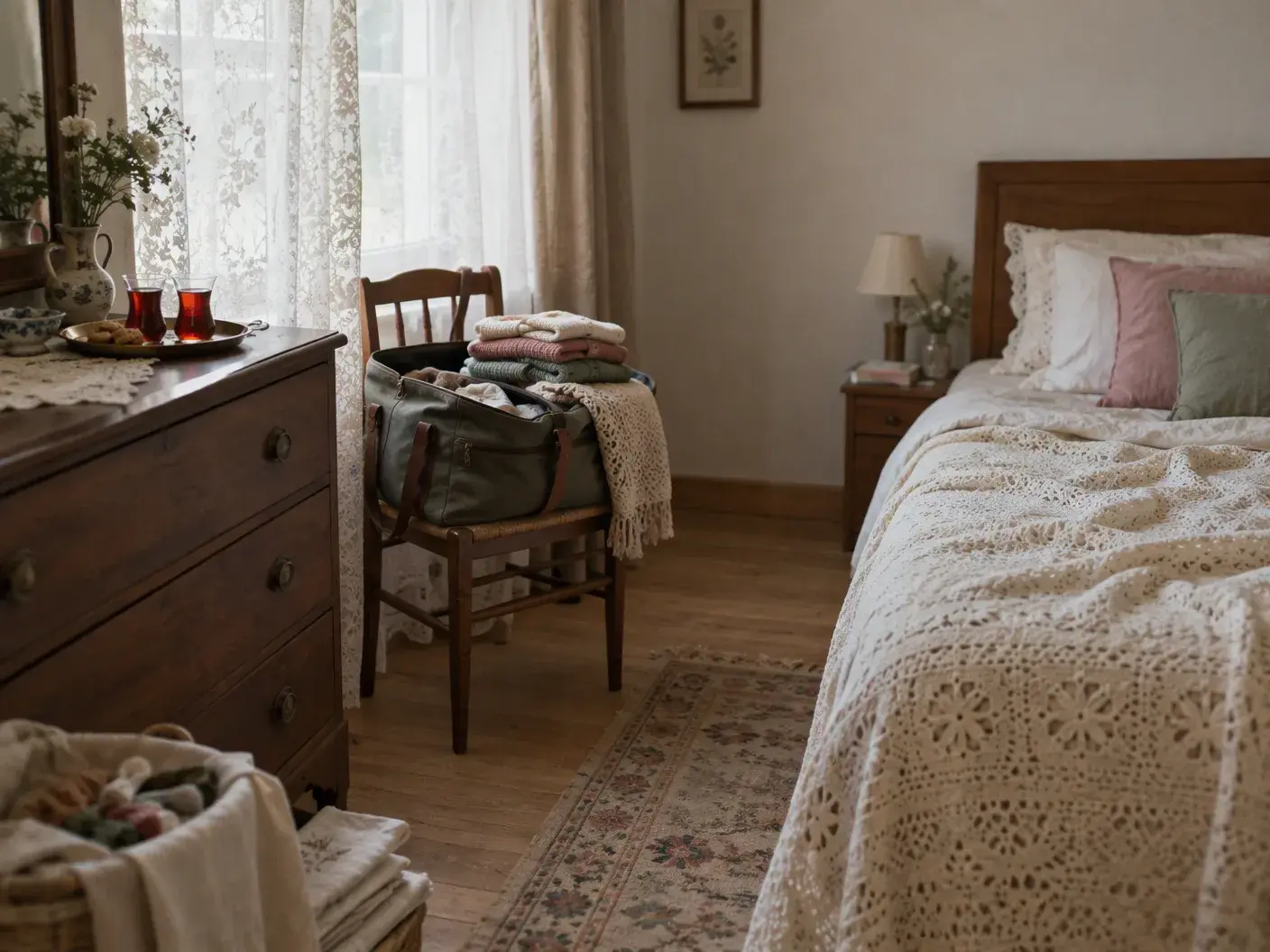
In those weeks, it turns out, there was room for more than one feeling at once. I could look at my baby with enormous love and be exhausted. I could be grateful for the help I had and still feel alone. I could be happy to be a mother and miss some things from my life before.
As a nurse, it was easy to tell mothers, “Every baby and every mother is different.” As a mother, it was harder to say it to myself. Only later did I notice how harsh I was being with myself on a day when I would have met another mother with understanding.
It wasn’t only sleep I lost in those weeks. I doubted myself too. There were times I questioned my milk, my body, my mothering. And yet when I look at my days from the outside, I see other things as well: the baby I picked up again even when I was worn out, the effort I kept up even while I was crying, the moments I learned to accept help…
The work I put into breastfeeding means a great deal to me. But my love for Mete isn’t measured in the minutes he spent at the breast or the amount of milk I pumped. And my worth isn’t measured by the number on the scales or by whether my old clothes fit. I still need to remind myself of this.
Now I look at my son. He is growing; and I am still learning to be a mother. Some days I trust myself, and some days I ask again, “Am I doing this right?” I haven’t worked everything out.
Still, when Mete cries, I know his voice. I know how he rests his head when I pick him up. And I know that even after a hard day, in the morning I will try again for him.
Perhaps other mothers ask themselves the same questions at the end of the day. I wish that, in that moment, they could see what they did alongside what they think they fell short on. That is how, little by little, I am learning to look at my own story.
Their name on the blanket from those long nights
Through those nights there was always a blanket between your arms and your baby. Let us embroider their name in soft thread on its corner — so that years from now, it is the first thing you reach for when you think back.
— Damla Nur Bozkaya
Questions from readers
Mothers ask, we answer — questions under this story that others may have too.
Ask your own question
Ask the author anything about this story. We send a one-time code to your WhatsApp so real mothers, not bots, get answered — your number is never shown.
Keep reading
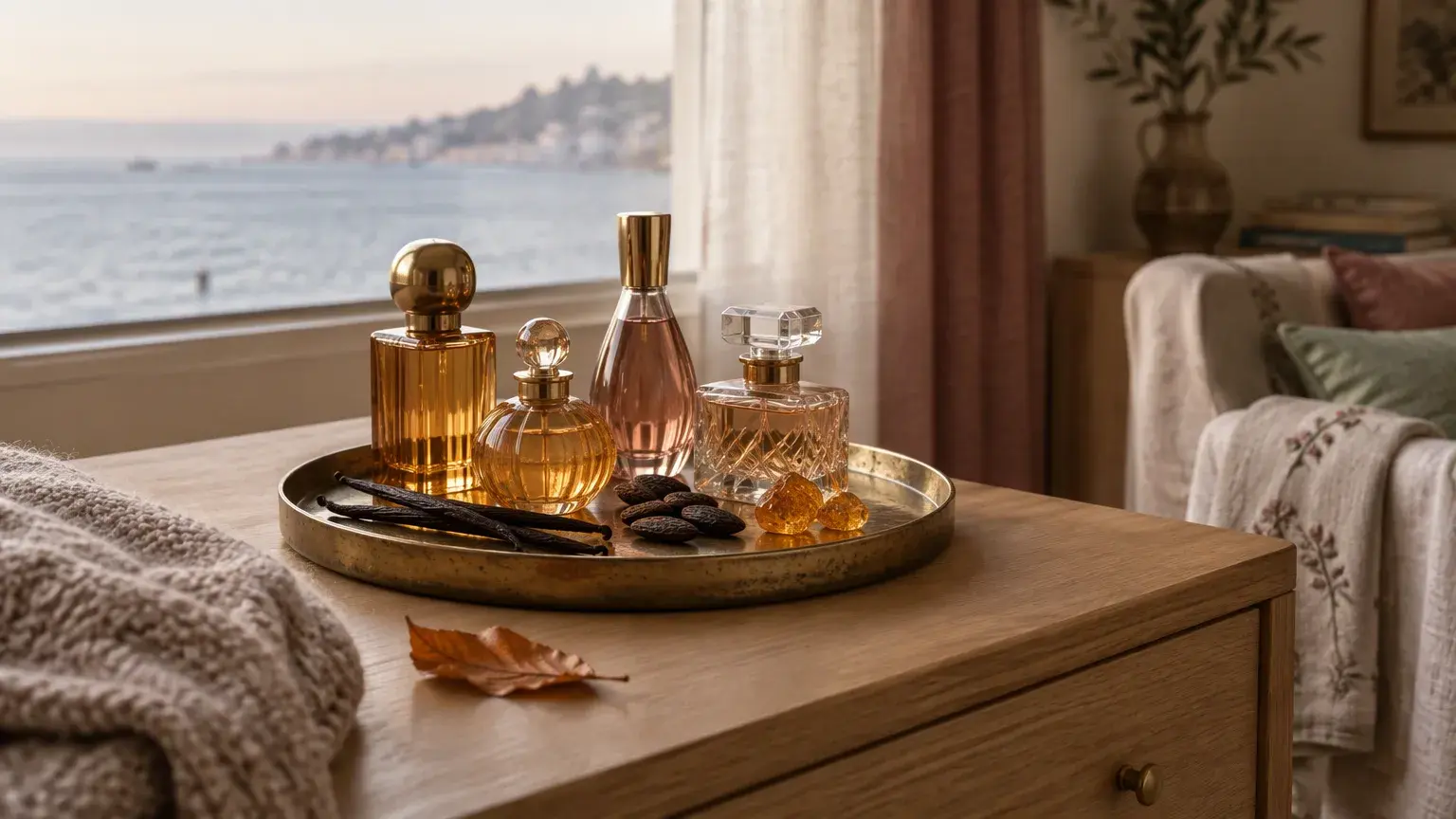
Mother & Baby
Moving to Türkiye, motherhood and… my new secret ritual
Between a new country and a baby to look after, Kristina Çelik refused to leave herself for “later” — and fell under the spell of perfume. She shares the warm notes she loves for autumn: spiced vanilla and amber, sandalwood and cardamom, coffee and chocolate.
· 2 min read
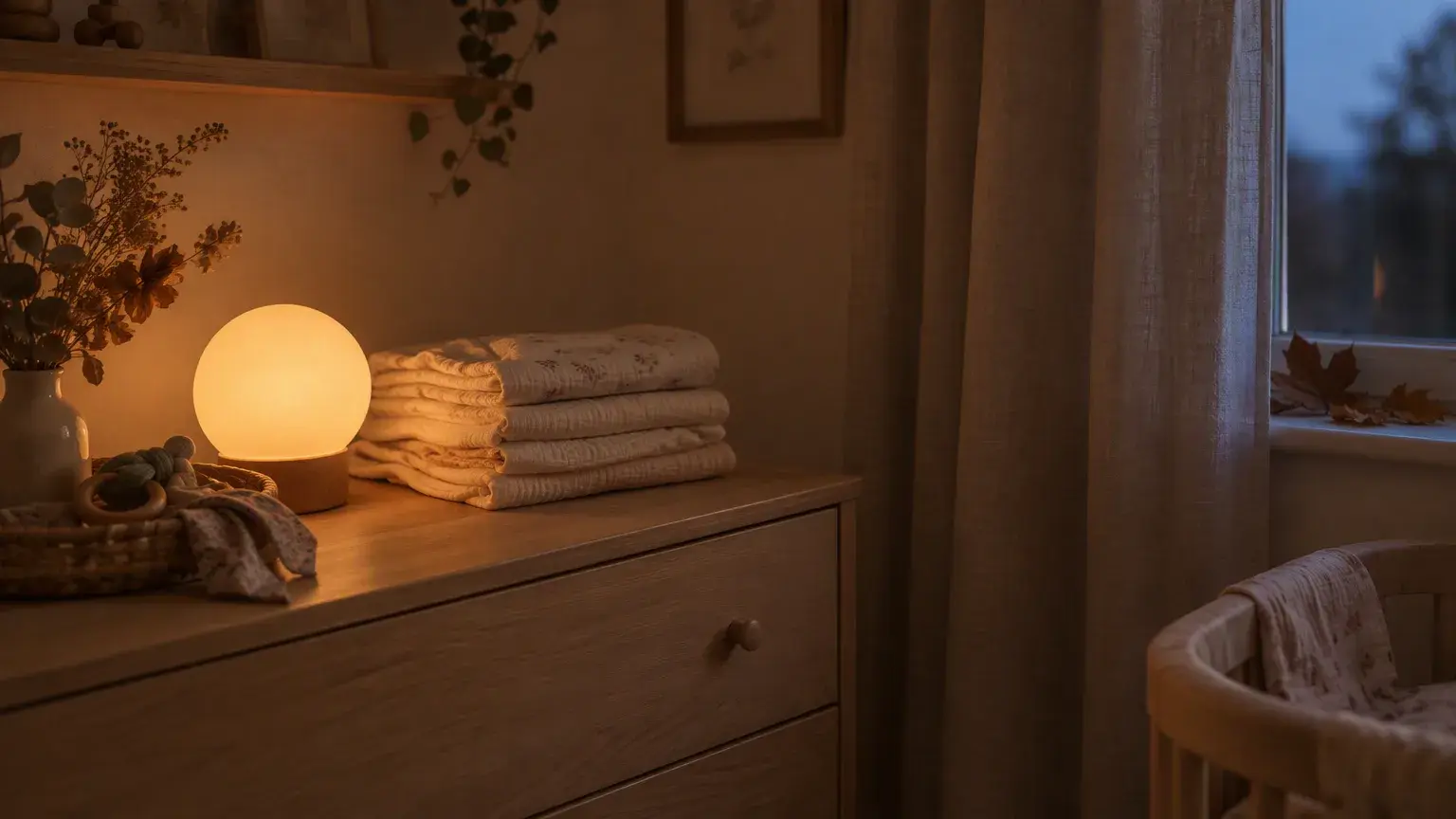
Mother & Baby
First autumn nights: low light, a quiet room and a baby’s bedtime ritual
When September ends the days shorten, dusk comes early and the nights in a newborn’s home grow longer. Three things I learned in Hamza Bera’s first autumn: dim the light, do the same things in the same order, and make the room his room.
· 4 min read
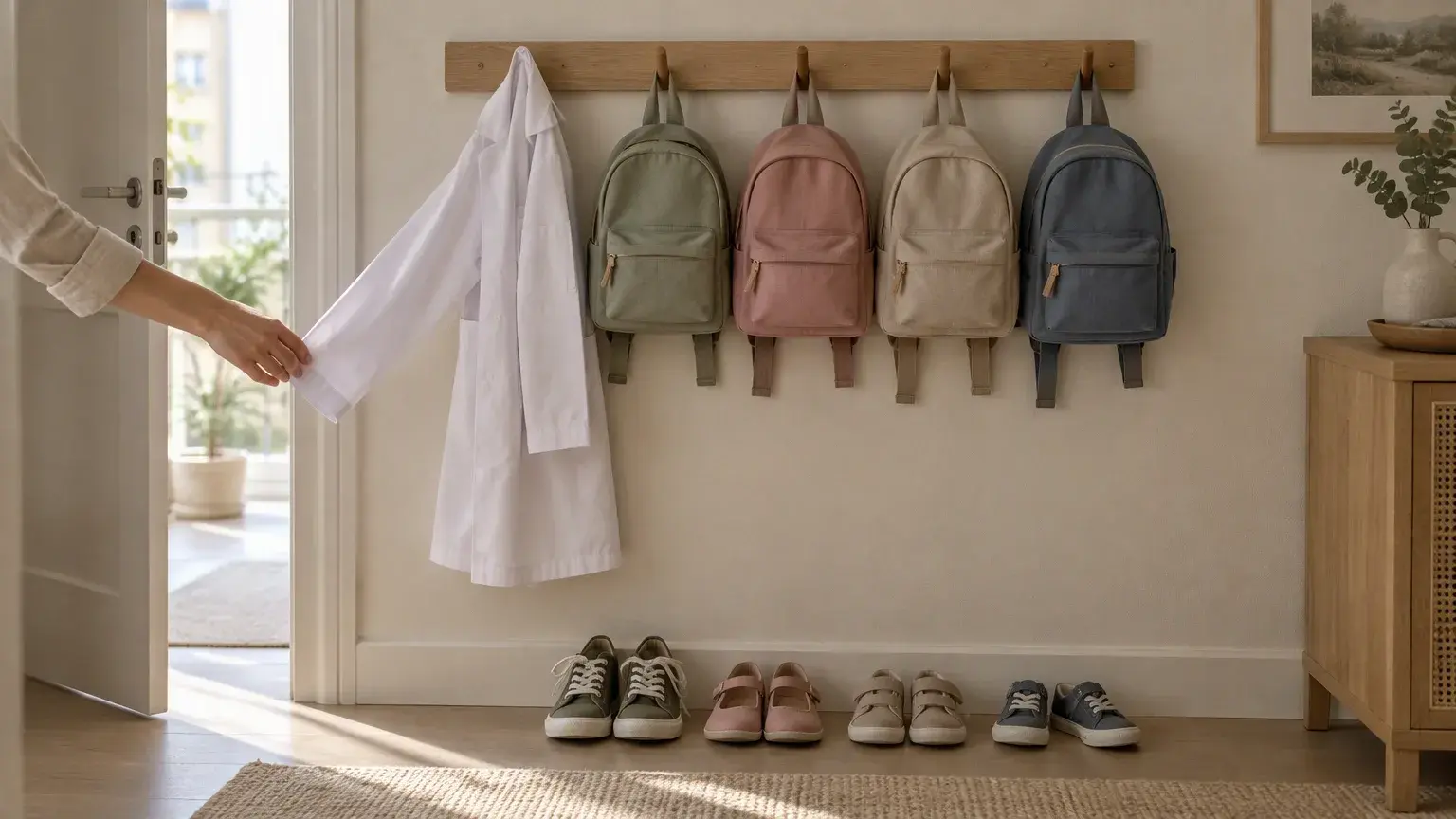
Mother & Baby
Two lives in one day
A day that starts with four children’s voices, continues in a white coat and comes home again to four small hearts. Meliha Özyalvaç, a specialist physician and mother of four, on the hardest part of working motherhood — and the thing without a name that rises through all the tiredness.
· 3 min read