When the first milk tooth falls out: Turkish tooth customs, from the rooftop to a keepsake box
What did Turkish families do with a child’s first fallen milk tooth before the tooth fairy arrived — and what do they do now? The rooftop rhyme, the buried wish, and a small named box: what I learned from Süleyman Taha’s first tooth.
By Merve Çokal Doğan · · 4 min read
Süleyman Taha lost his first milk tooth at dinner, the year after we moved to İstanbul. He bit into his bread, stopped, took something tiny and white out of his mouth and held it out to me on his palm. His face was half fright, half pride. Mine, I think, was only surprise: it felt like we had celebrated that same tooth coming in the year before.
That night I wrapped the tooth in a paper napkin and put it on the top shelf of the kitchen cupboard. “We’ll decide later,” I said. Deciding took me a week, because I honestly didn’t know what one does — so I called my mother.
What families used to do
My mother said that in Zonguldak a fallen tooth was thrown onto the roof. The child holds it up and says a little rhyme — roughly “take this bone tooth, give me a golden tooth” — and flings it over the tiles. My husband remembered the Konya version: the tooth is buried, at the foot of a tree or in a corner of the garden. The wish is the same in both: may the tooth that grows in its place be strong, straight and “like gold”.
Other regions have other habits. In some places the tooth is “given to the crow”; in others it is left in a mosque courtyard; some families simply keep it. What they share is the gesture: a small thing leaving a child’s hand is turned into a wish. Something goes, and something better is expected in return.
If you live in Türkiye you may also have heard of diş buğdayı — the “tooth wheat” celebration. That one marks the first tooth coming in: wheat is boiled, neighbours are invited, the baby’s head is showered with grains. A fallen milk tooth is the opposite kind of threshold. The baby teeth leave one by one, and childhood walks in behind them.
Where did the tooth fairy come from?
As he handed me the tooth, Süleyman Taha announced he would put it under his pillow. He hadn’t learned that from us; it came from school and cartoons. The tooth fairy is not an old Anatolian custom — it arrived later and was adopted quickly, as sweet stories are. I didn’t mind. The tooth went under the pillow, and in the morning there was a small chocolate in its place. But the napkin-wrapped tooth stayed on the cupboard shelf, because I could neither throw it on a roof we didn’t have nor bury it in a garden we didn’t have either.
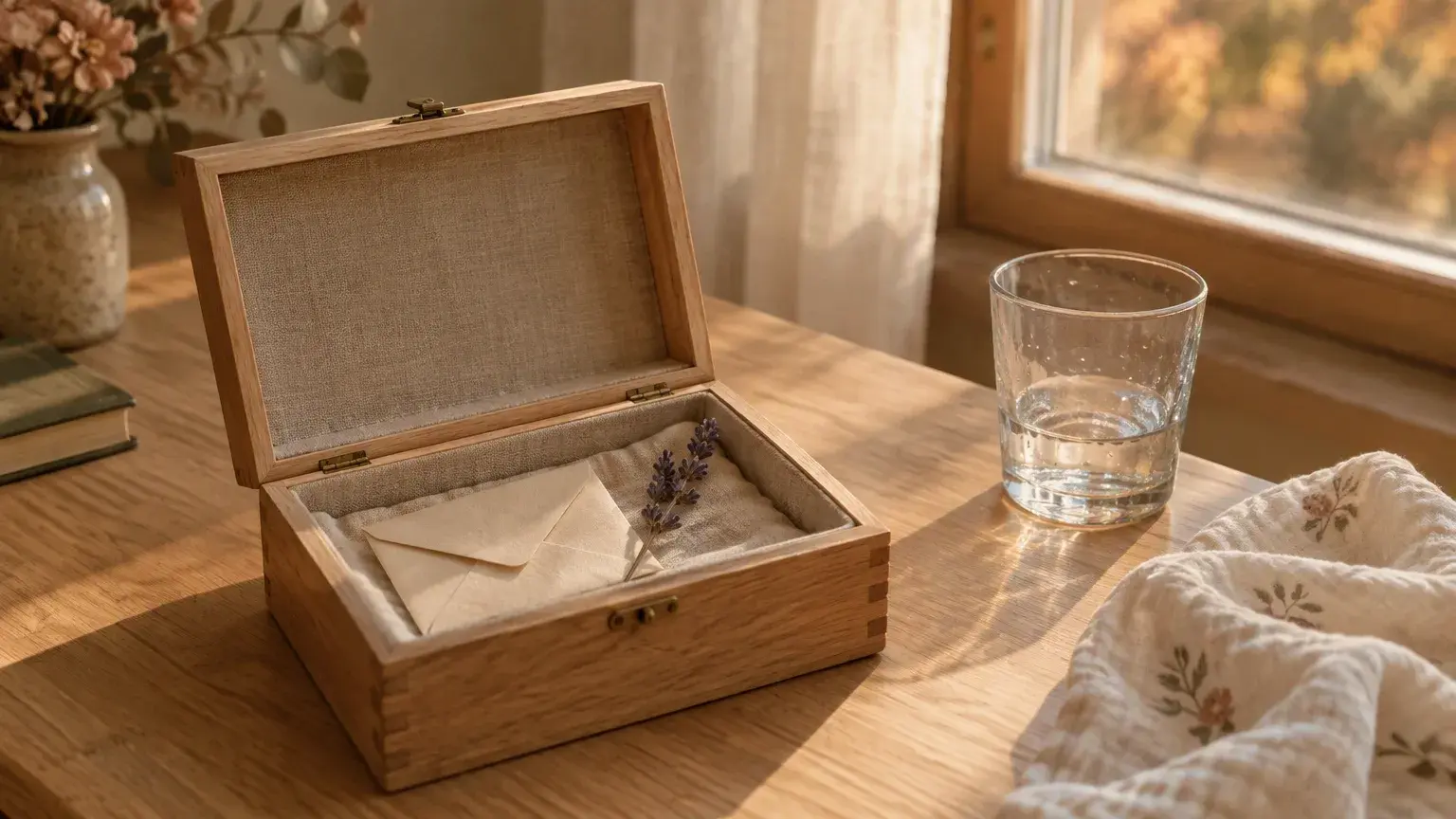
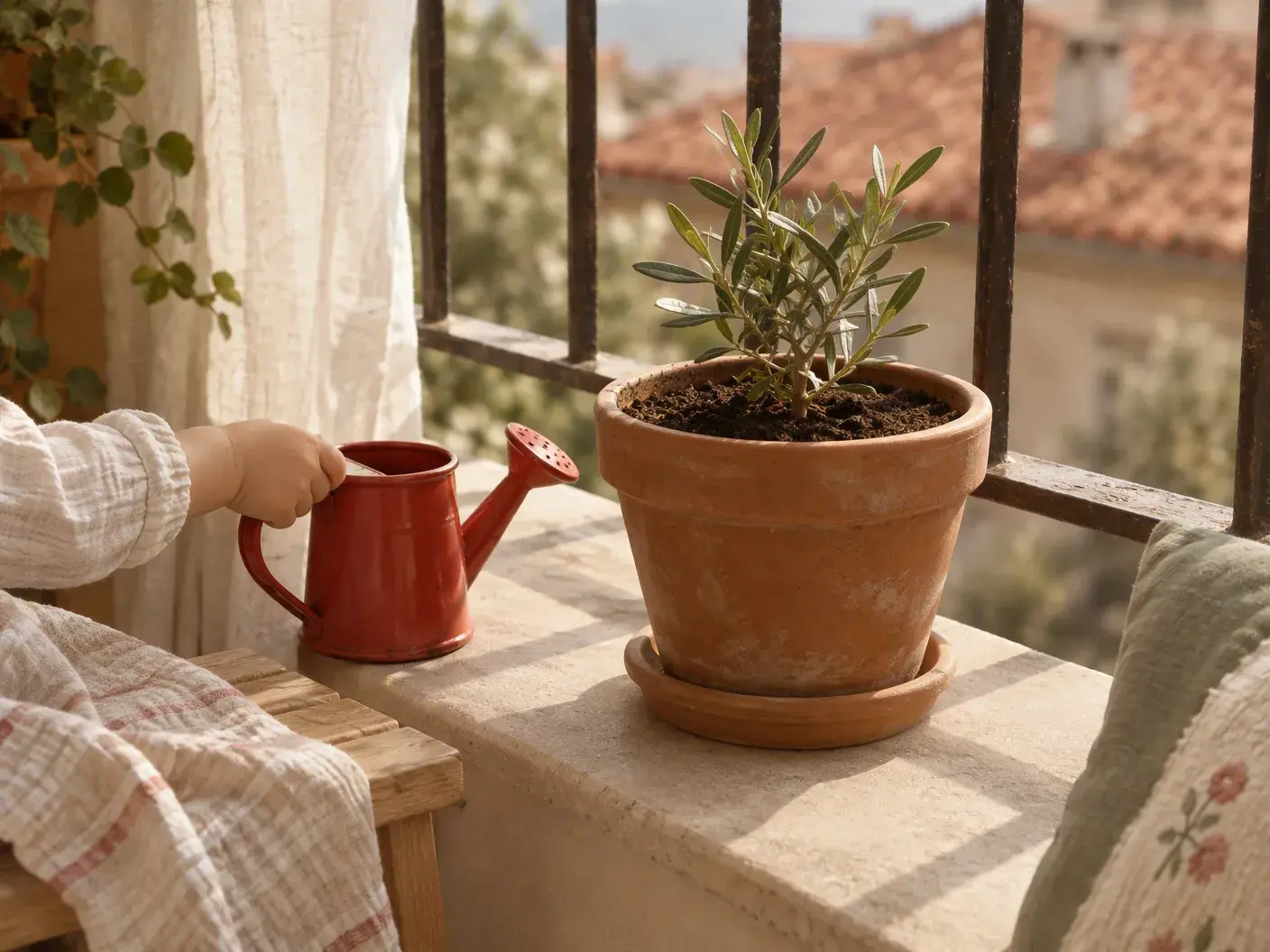
In the end we combined the two. We “planted” the wish in the flowerpot on the balcony — I said my mother’s rhyme, my son laughed — and we kept the tooth itself in a small envelope. On the envelope I wrote his name and the date. We did the same for his three brothers; there are now four little named envelopes in our home.
If you want to keep it
Keeping a milk tooth as a keepsake is simple, with a few small cares:
- Clean it gently. Rinse under clean water; don’t scrub. No bleach or strong cleaners — they damage the surface.
- Let it dry completely. A day on a clean cloth is enough. A damp tooth darkens in a closed space.
- Use a small paper envelope. Paper breathes; plastic doesn’t. Write the child’s name, the date it fell out and, if you like, what they said that day.
- Put a name on the box. If siblings’ keepsakes live together, the name on the lid saves a lot of confusion years later.
- Keep it out of small hands. A tooth is a tiny object; don’t store the box on the toy shelf.
The teeth still in the mouth need attention too. The American Academy of Pediatrics recommends brushing twice a day from the first tooth and a first dental visit by the first birthday — don’t let the excitement of the fallen tooth eclipse the ones that remain.
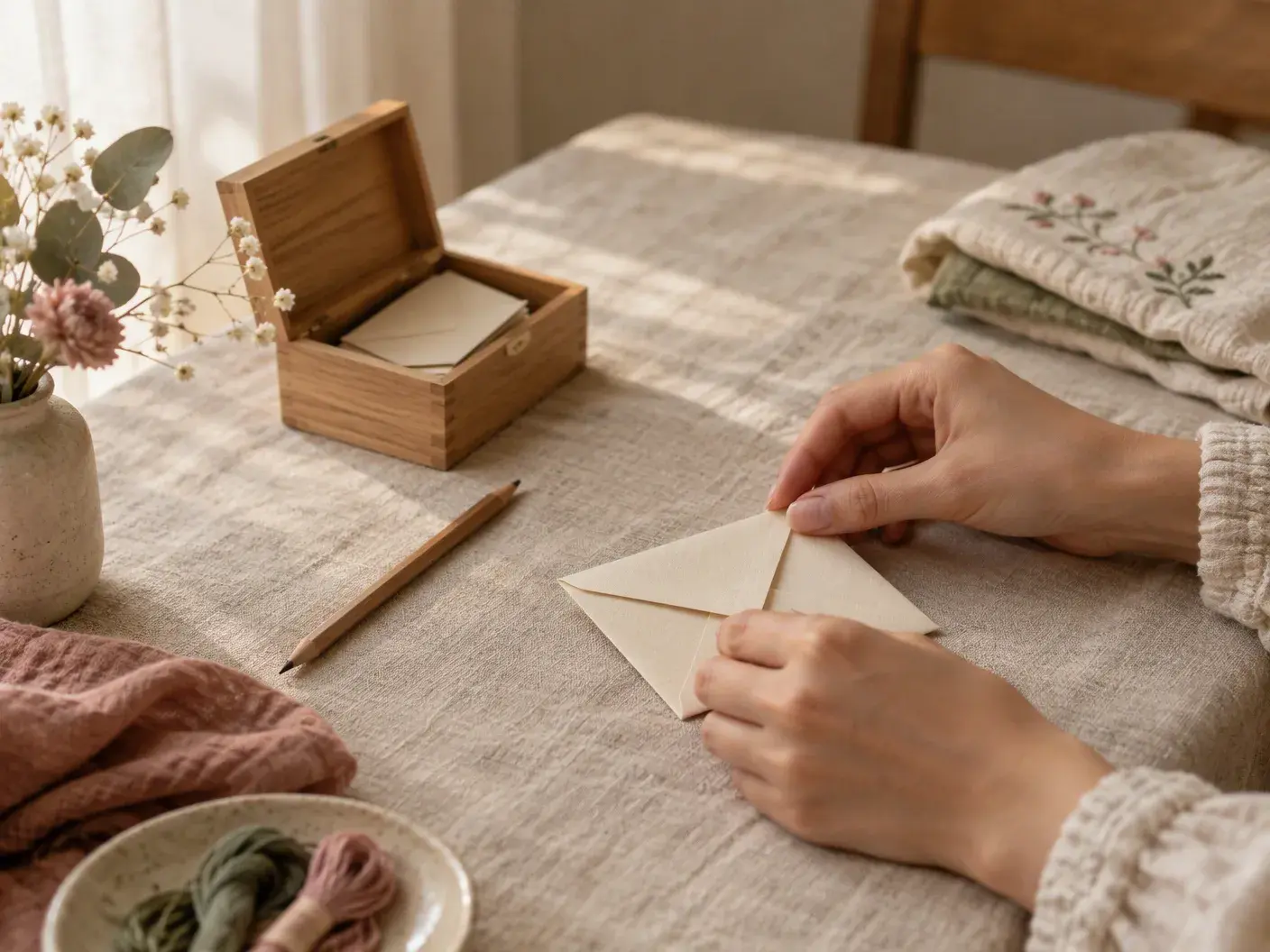

Our four envelopes lived in a biscuit tin for a long time. Then they moved, together with the first curls from the first haircuts, into small boxes with the boys’ names on the lids — one box each. A name on a lid changes what is inside from “a tooth” into a chapter of one particular child’s story.
A tiny dinosaur, all theirs
A smiling mini dinosaur with their name on its chest is a soft companion for all the little things that make them who they are.
Süleyman Taha is eighteen now and doesn’t remember that dinner. But when I open the box and show him the envelope, he looks at the date and asks, “Was it really that small?” Always the same question. Always the same answer: yes, it was that small.
— Merve Çokal Doğan
Questions from readers
Mothers ask, we answer — questions under this story that others may have too.
Ask your own question
Ask the author anything about this story. We send a one-time code to your WhatsApp so real mothers, not bots, get answered — your number is never shown.
Keep reading
Customs & Traditions
Diş buğdayı: the Turkish first-tooth celebration, and a handful of wheat
In Anatolia a baby’s first tooth is celebrated with boiled wheat: neighbours are called, wheat is sprinkled over the baby’s head, and a row of objects is set out for them to reach for. At Muammer Esat’s diş buğdayı I found myself wondering where the custom comes from and what it still says to a mother today.
· 4 min read
Customs & Traditions
The first forty days: Türkiye’s oldest newborn customs, explained gently
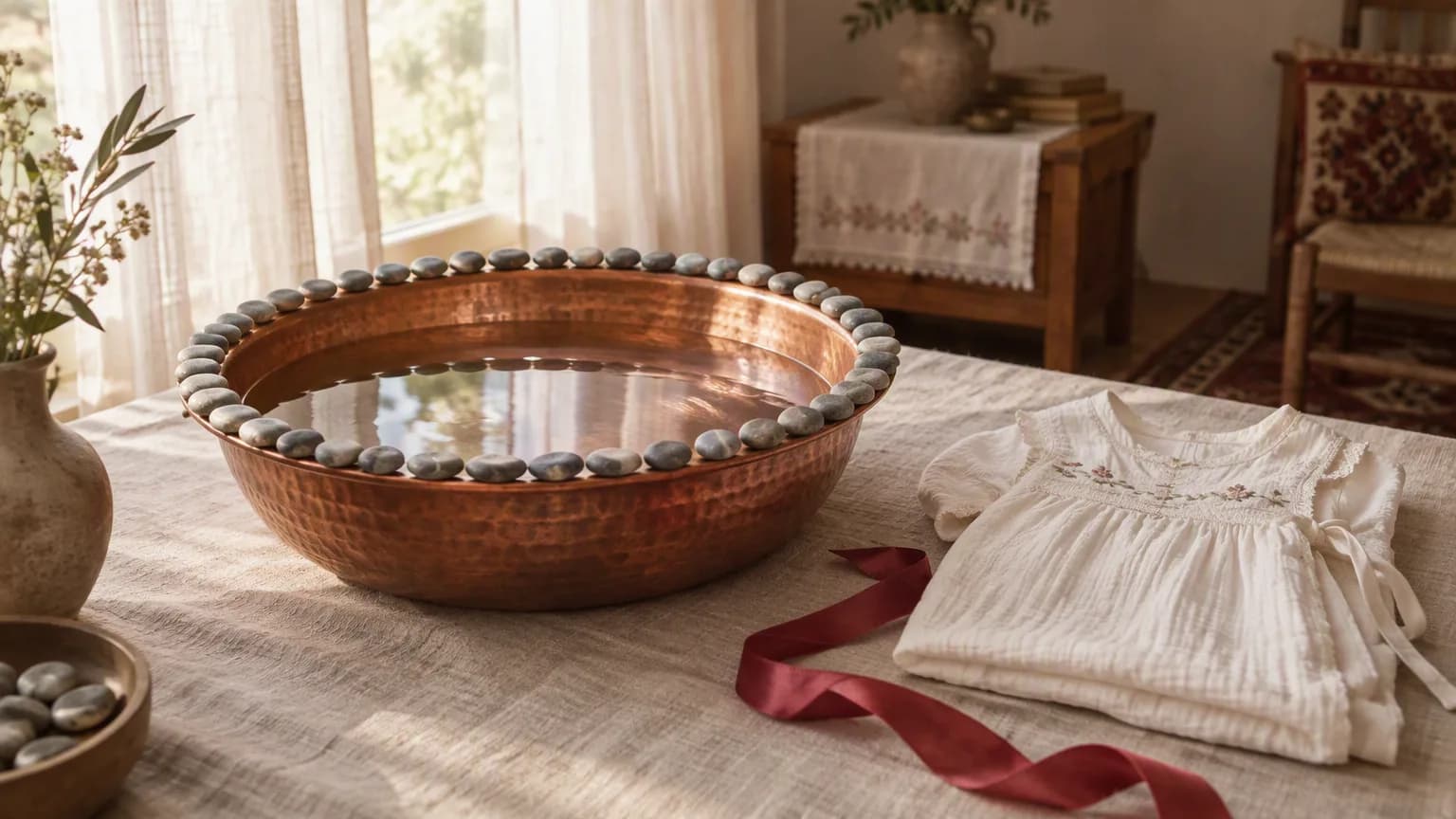
A red ribbon on the door handle, a crimson sherbet for visitors, forty pebbles counted into a basin of water. In Anatolia a baby’s first forty days have always run on their own calendar. Where these customs come from, why families still keep them, and what a new mother — from here or elsewhere — can take from them.
· 4 min read

Candles
The shortening days: bringing a hand-poured candle to a new mother
By mid-October it is dark at five, and a house with a newborn slips into long early evenings. What do you carry to that house? From the jar candle my mother brought to Konya to the first candles I poured myself: why the oldest gift for a loğusa — a woman in her first forty days after birth — has always been light.
· 4 min read