My nine-year-old son, our guest from Greece and Harry Potter
Zehra Topaç has taught English for many years. She recalls the moment her nine-year-old son fell into an excited conversation about Harry Potter with a guest from Greece — and why teaching a child a new language means opening a door onto the world.
By Zehra Topaç · · 2 min read
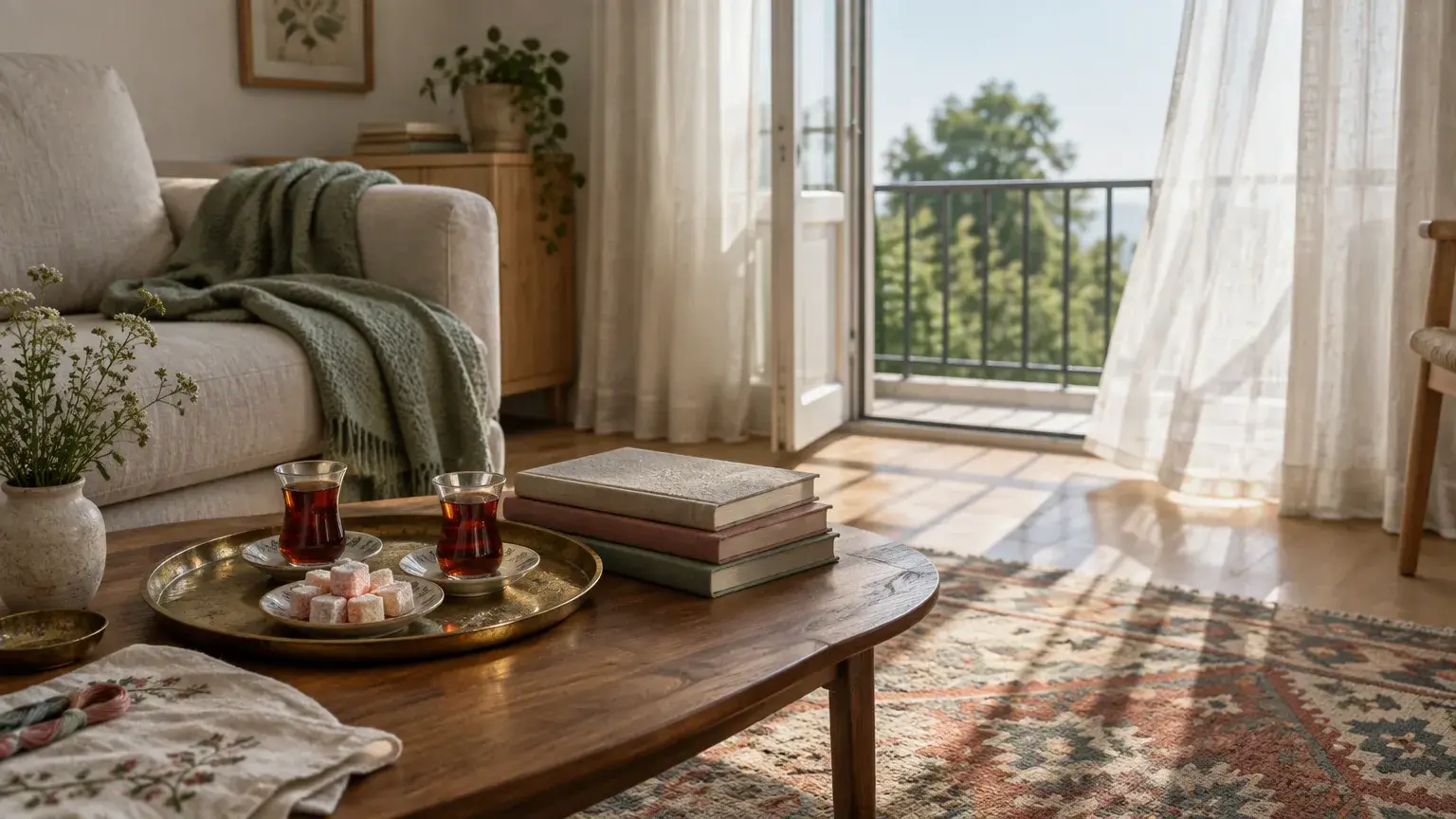
Teaching children a language at an early age is not only about teaching them new words. It is also an important step that opens them up to the world and lets them get to know different people and cultures.
As a child learns a new language, they feel the excitement of expressing themselves, of talking to new people and of discovering different worlds. Every new word they learn and every new sentence they build adds something small but precious to their confidence. Feeling “I can do this!” also strengthens the wish to keep learning.
Language teaches children not only to speak, but to listen, to understand, to share and to respect differences. A small word learned today can open the door to big dreams tomorrow.
Because teaching a child a new language is not merely giving them a tool for communication; it is offering them the chance to see the world through a wider window.
As someone who taught English for many years, I can say this: teaching children a language early is not simply teaching them a language. It is opening a door onto the world.
I have one very special memory that made me feel this all over again. One day a guest from Greece came to our home. I watched my nine-year-old son start talking to them in English without the slightest hesitation and, a little while later, chatting away about Harry Potter with great excitement. Watching him, the happiness and self-assurance on his face moved me deeply. In that moment I understood once more how real and how precious the thing I had been explaining for years as a teacher actually was: the language a child learns gives them not only the ability to speak, but the freedom to connect with the world.

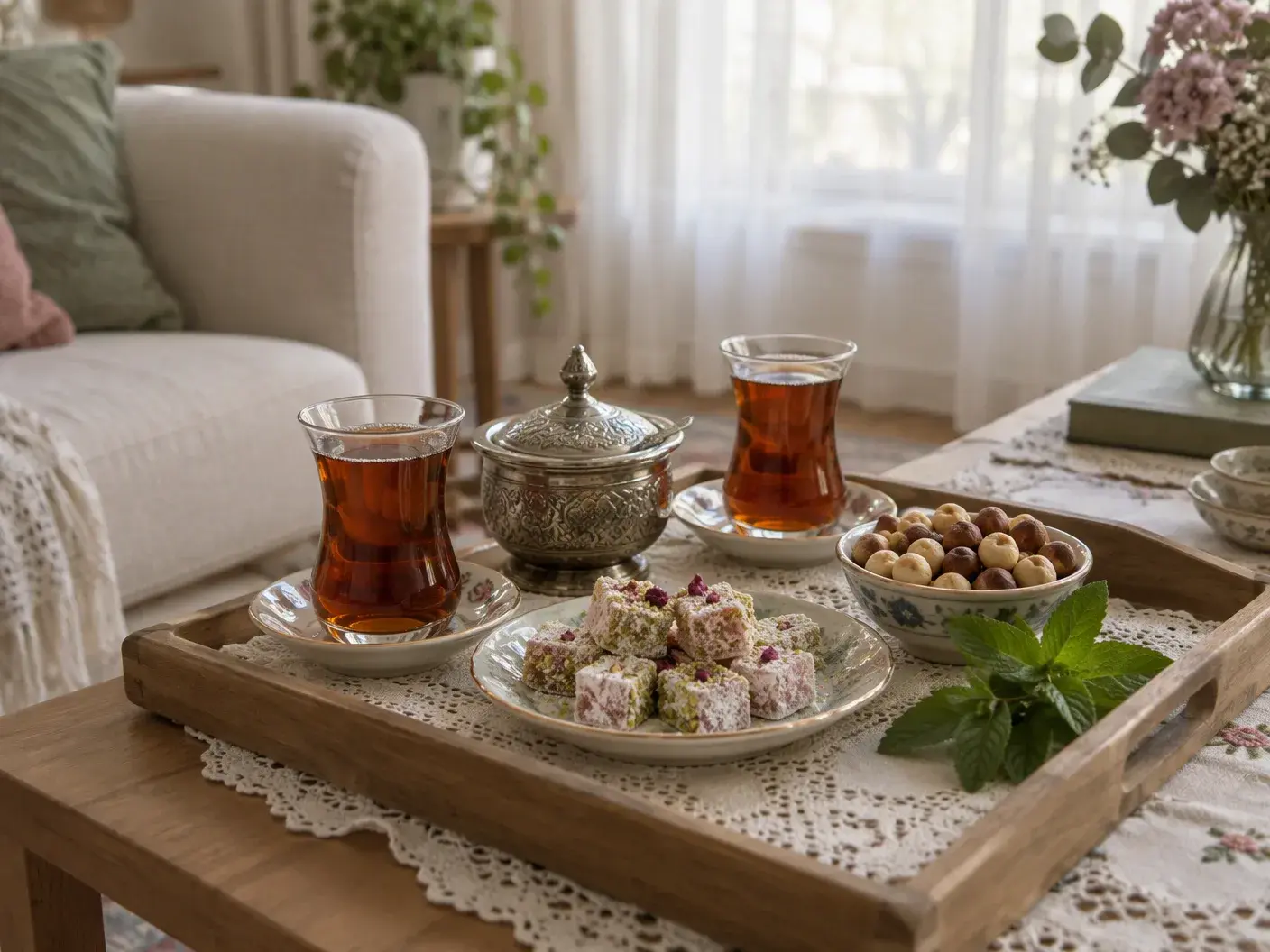

As a child learns a new language, they gain the courage to express themselves, get to know different cultures and begin to look at the world through a wider window. Every new sentence they build feeds that feeling of “I can do this!” and strengthens their confidence.
That is why I believe that children learning a language should be encouraged to do more than grammar and vocabulary: to speak, to listen, to explore and to use the language in everyday life.
Because teaching a child a new language is giving them not just a skill, but a bigger world.
Their own name, in their own room
New words, new sentences, new courage… A soft cloud cushion with their name on it belongs in the room where all of it gathers.
— Zehra Topaç
Questions from readers
Mothers ask, we answer — questions under this story that others may have too.
Ask your own question
Ask the author anything about this story. We send a one-time code to your WhatsApp so real mothers, not bots, get answered — your number is never shown.
Keep reading
Mother & Baby
Knowing, it turns out, is not living it
For years, a nurse explained to mothers why a baby might cry. Then she held her own son, Mete, and learned that knowing something is not the same as living it. Damla Nur Bozkaya on healing after a caesarean, the question “Is it enough?”, and learning to look at herself kindly.
· 5 min read

Mother & Baby
Moving to Türkiye, motherhood and… my new secret ritual
Between a new country and a baby to look after, Kristina Çelik refused to leave herself for “later” — and fell under the spell of perfume. She shares the warm notes she loves for autumn: spiced vanilla and amber, sandalwood and cardamom, coffee and chocolate.
· 2 min read
Mother & Baby
First autumn nights: low light, a quiet room and a baby’s bedtime ritual
When September ends the days shorten, dusk comes early and the nights in a newborn’s home grow longer. Three things I learned in Hamza Bera’s first autumn: dim the light, do the same things in the same order, and make the room his room.
· 4 min read