The sewing machine is back — and it was never just a hobby
Sewing classes in Dublin sell out months ahead, New York declares sewing “cool again”, and across Türkiye the old Singers are coming down from the attic. What’s behind the quiet comeback — and where does a new mother find room for it?
By Merve Doğan · · 5 min read
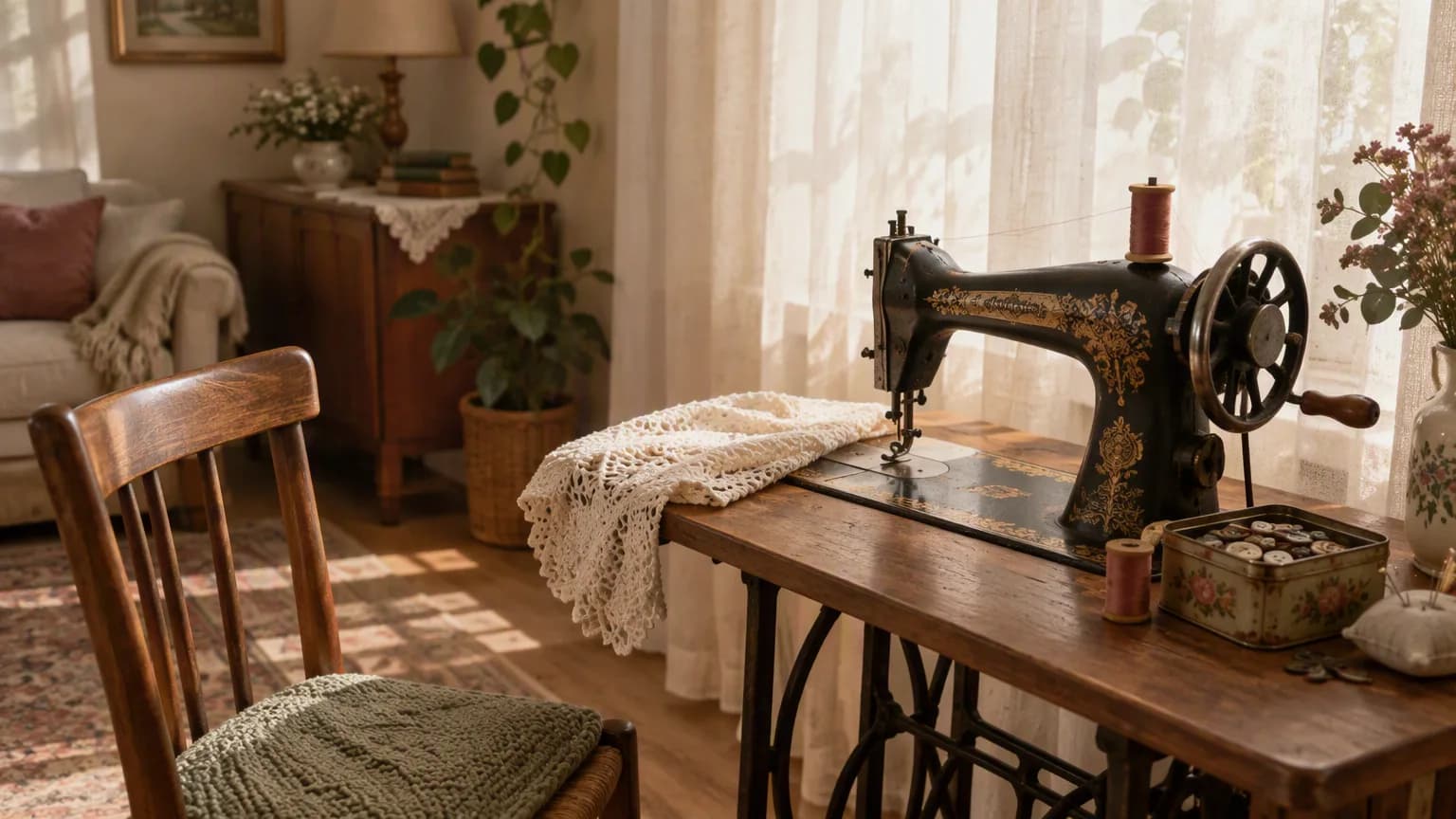
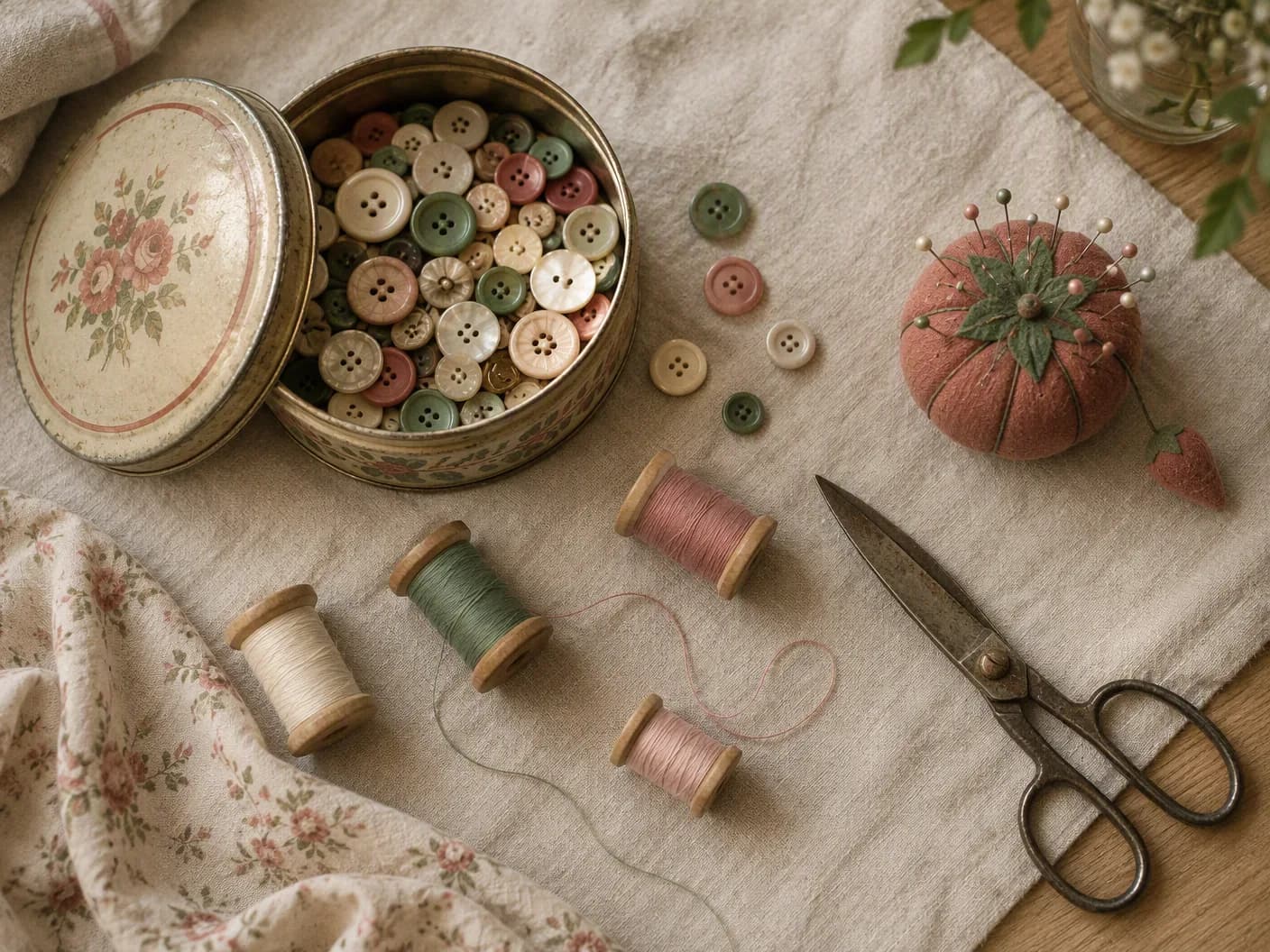
If you’ve spent any time in a Turkish family home, you’ve seen one: the hand-cranked Singer under a lace cover in the corner, drawer full of reels, buttons in an old biscuit tin. Dowries were sewn on it, curtains shortened, school-uniform hems let down year after year. Then ready-to-wear got cheap, shop windows started changing weekly, and the machine slipped first under its cover and then into the attic.
The cover is coming off again. And not only here.
What’s happening out there
Last September The New York Times declared that sewing is “cool again”: demand for classes had surged, with people drawn by saving money, upcycling and picking up a skill once filed under “things grandparents do”. University of Fashion puts the number of people who sew in the United States alone at 30 million, a striking share of them teenagers. Ironically, the screen is what sends them to the machine — TikTok and Instagram are full of “boxer shorts from a bedsheet” and “dad’s shirt into a halterneck” tutorials.
In Dublin, The Irish Times dropped in on a small sewing school this June. Courses sell out regularly; some run waiting lists. Before the pandemic, the founder says, most of her students wanted a job in fashion. Now almost all of them are hobbyists learning for themselves.
From New Zealand to Ireland the story is oddly identical: machines dug out to sew masks in lockdown were simply never put away.
So why now?
Three reasons keep coming up, in very different countries. None of them will feel foreign if you live here.
1. To quiet your head
Sewing is a string of small repeated movements: needle through, thread pulled, fabric smoothed. That rhythm settles the mind — therapists are saying it now, grandmothers always knew it — and finishing something gives a kind of satisfaction no amount of scrolling can.
A woman in her early thirties told the Irish Times she no longer switches on a series after a bad day at work; she sits down at the machine. “It’s addictive,” she said, “and it’s also stress-relieving.”
Think of the half hour that lands in your lap when the baby finally sleeps. Reaching for the phone or reaching for a needle: the difference is how you feel when that half hour is over.
2. For your wallet and your wardrobe
Anyone shopping for clothes in Türkiye lately knows the price tags need a deep breath first — more so with a baby who outgrows a size every three months. Taking up a hem, sewing a button back on, patching the knee of a romper, letting a dress down for the younger sibling: our grandmothers didn’t call any of this a hobby. It was simply running a household.
It isn’t only about money, either. Research cited by the Ellen MacArthur Foundation found fast-fashion pieces are worn as few as five times before they’re discarded, while carefully made or repaired garments are worn more than thirty. The European Environment Agency estimates Europeans go through roughly 15 kg of textiles per person every year. Every needle you pick up pulls something back out of that pile.
3. To hear “nobody else has this”
The most touching story from Dublin is a mother’s: she made her daughter a dress for her sixth birthday, and one for herself from the same fabric. “She loves that no one else has it,” she says.
That feeling has always been at home in Türkiye. Mother-and-daughter outfits cut from the same cloth, a baby’s first blanket with their name stitched into the corner, a special cover sewn for a naming ceremony or a circumcision party — valuing things that are handmade, singular and ours is an old Anatolian habit. The only new part is that we now call it sustainability.
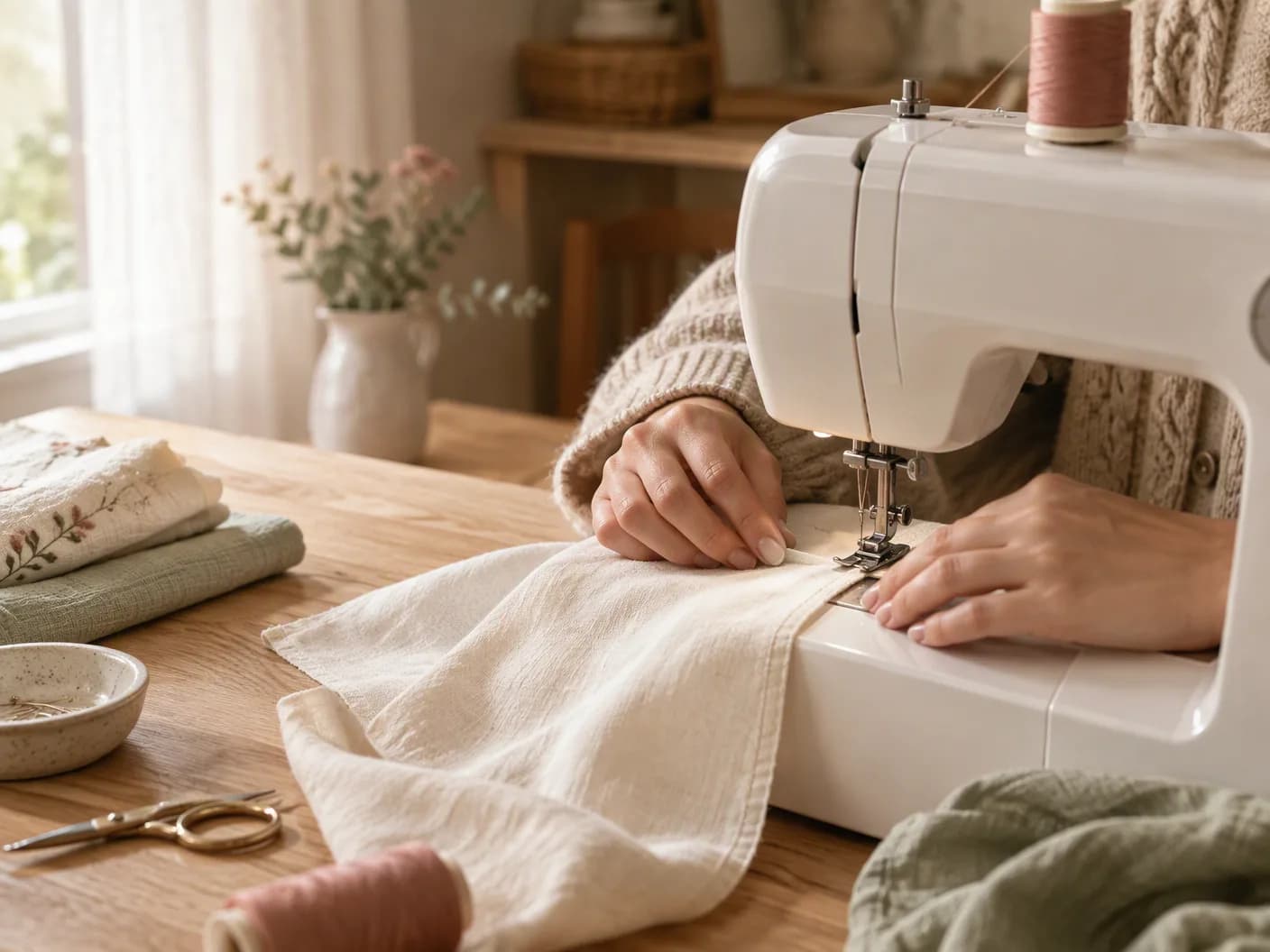
Where to start, if you live in Türkiye
Good news: you don’t need an expensive studio to learn here.
- Halk Eğitim Merkezleri. The state adult-education centres exist in nearly every district and their sewing courses are free. Morning and evening groups, taught in Turkish, often with a patient teacher and classmates from your own street — a lovely way in if your Turkish is still growing. Do ask about baby-friendly hours.
- Municipal courses. In İstanbul, Enstitü İstanbul (formerly İSMEK) and its equivalents in other big cities run everything from a first straight seam to pattern drafting.
- YouTube and Instagram. There are hundreds of channels in English and Turkish; search “straight stitch” or “how to sew a zip” and go from there. Once you can sew a straight line, everything else follows.
- A second-hand machine. You don’t need a new one. A machine sitting idle at a relative’s or in a bit pazarı usually just needs a service, and neighbourhood repairmen — still very much a thing here — will tell you the old ones are better anyway.
And if there’s no machine, and no time?
This is most mothers’ reality: plenty want to, few can sit down and do it. A newborn’s day is not your own, and in the first months even half an hour is a luxury.
That’s the gap Meşgalem lives in. The things your grandmother would have done — a name stitched into the corner of a blanket, the first facts of a new life on a small plaque — we do in your place, one at a time and with as much care as we can. One day you’ll sit down at the machine yourself; until then, let their name be written somewhere.
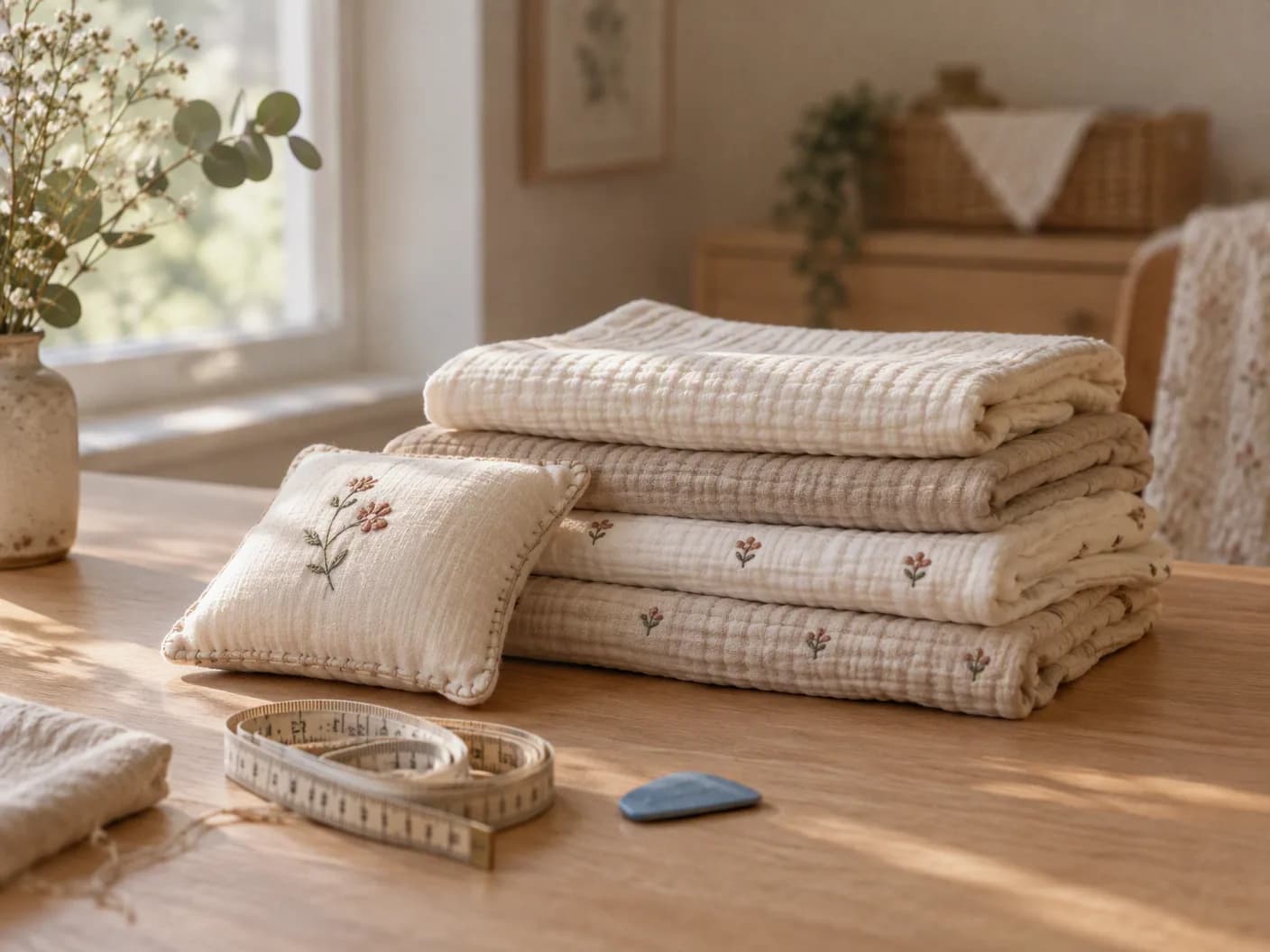
Their name, on their blanket
A name label embroidered in soft thread, ready to sew onto the blanket that goes everywhere with them.
The thing we call meşgale
Meşgale is an old Turkish word for the kind of occupation you give yourself to: something that keeps your hands busy and lets your head rest. For our grandmothers it was usually at the end of a needle and thread. People all over the world sitting back down at their sewing machines are really just remembering something everyone once knew: when the hands are busy, the heart gets to rest.
Maybe this weekend you have a look in the attic.
Sources: Sewingtime NZ — The Therapeutic Power of Sewing · University of Fashion — Sewing’s Comeback Is More than a Hobby · The Irish Times — How sewing became cool again · European Environment Agency — EU exports of used textiles
I wrote this one in memory of my grandmother.
— Merve Doğan