Choosing a name four times: how we learnt to love a name
Süleyman Taha, Muammer Esat, Hamza Bera, Mehmet Emde. We chose a name for four boys and learnt the same lesson each time: a name isn’t found on a list, it’s found by calling it out loud. On the quiet side of naming a baby — with a note on why Turkish children so often carry two names.
By Merve Doğan · · 3 min read
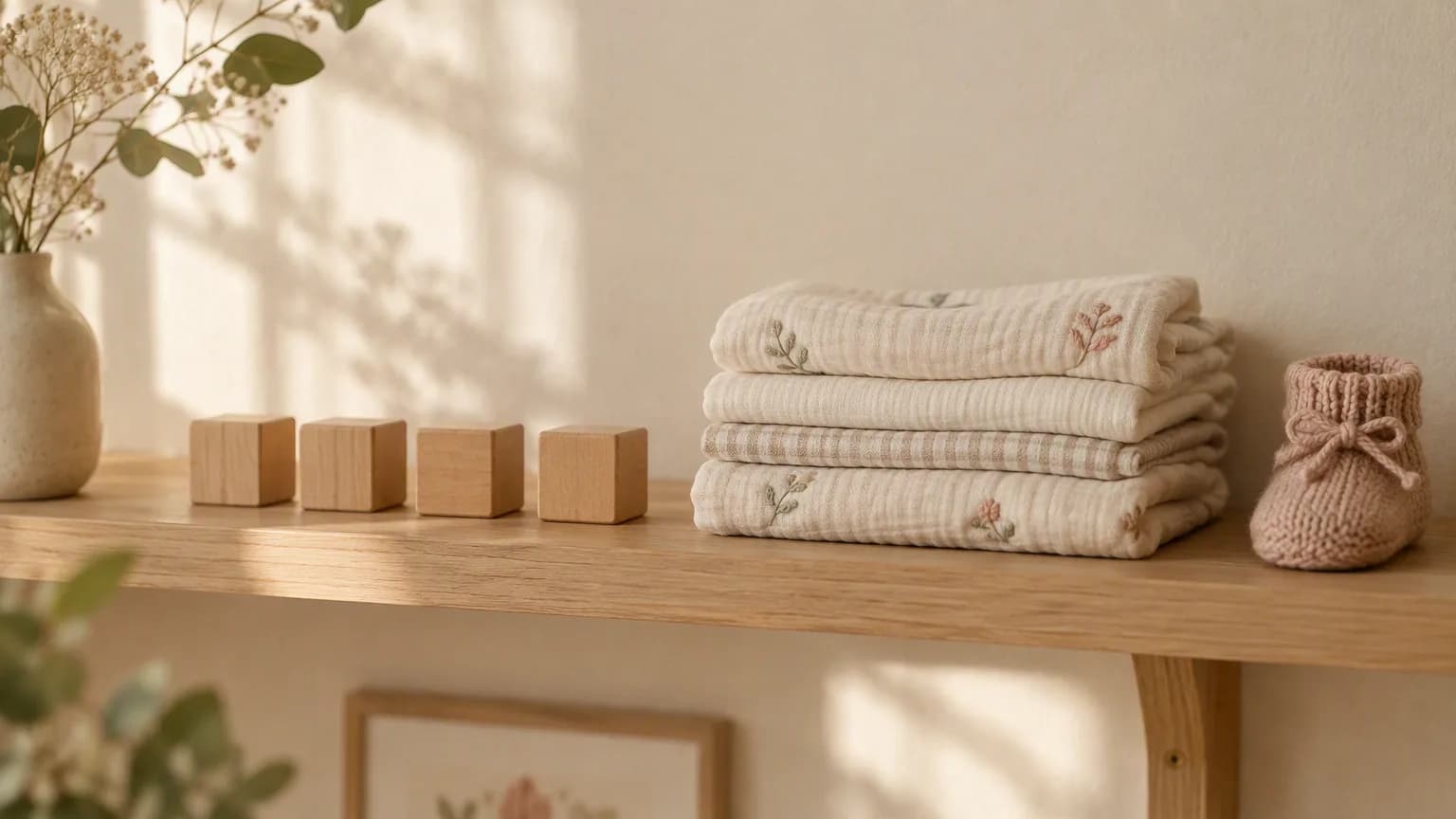
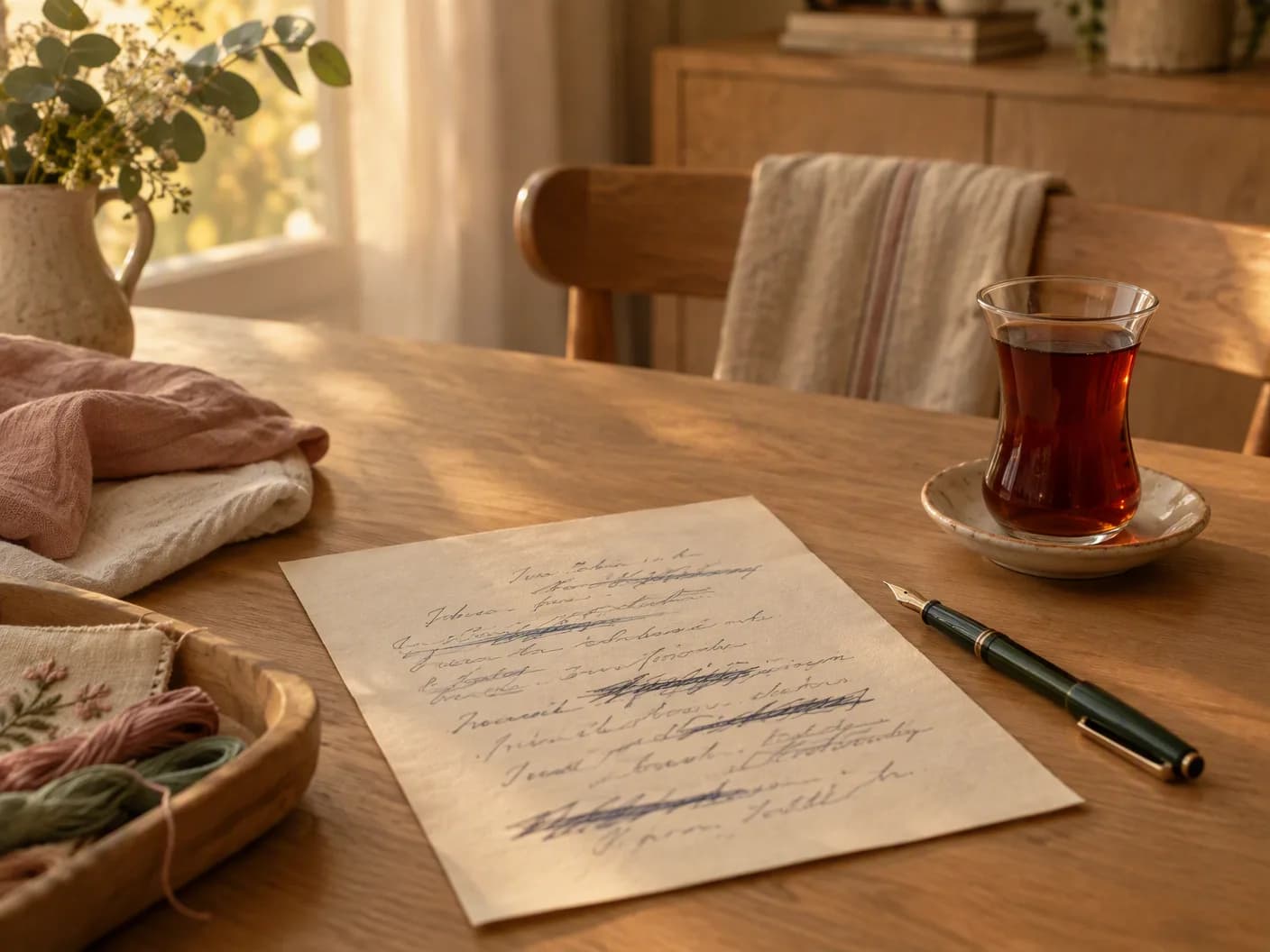
We chose a name four times. In 2008, 2010, 2014 and 2016. Every time a list came to the table, and every time the list was no use. Because a name isn’t chosen from a list. A name is found at midnight, when you touch your belly and say it quietly, and the sound comes back to you as right.
Süleyman Taha, Muammer Esat, Hamza Bera, Mehmet Emde. Today I rattle those four names off in one breath. But each of them arrived at the end of months of what if.
Why lists don’t work
Every couple makes a list. In the phone’s notes, on a sheet on the fridge, in the message a mother-in-law sends. Lists grow, shrink, merge. And the name you finally choose is usually on none of them.
Because reading a name on paper and saying it aloud are not the same thing. A name that looks beautiful written down can sound foreign when you call it from the kitchen. Or the reverse: a name you never noticed on the list slips out one evening and you say, “That’s it.” It happened to us all four times.
Two names, one child
Most children in Türkiye grow up with two given names, and it’s one of the country’s quiet riches. One official, one affectionate; one given by the elders, one chosen by the mother; one for school, one for home. All four of our boys have two names. In time each of them worked out for himself which half he loved more.
The second name is also a bridge to memory. It carries a grandfather, a beloved elder, a prayer. When you call the baby you are, in a way, calling someone else too. So when people ask whether two names are too many, my answer is always the same: they aren’t. Two names open two doors for a child.
The moment a name is first written
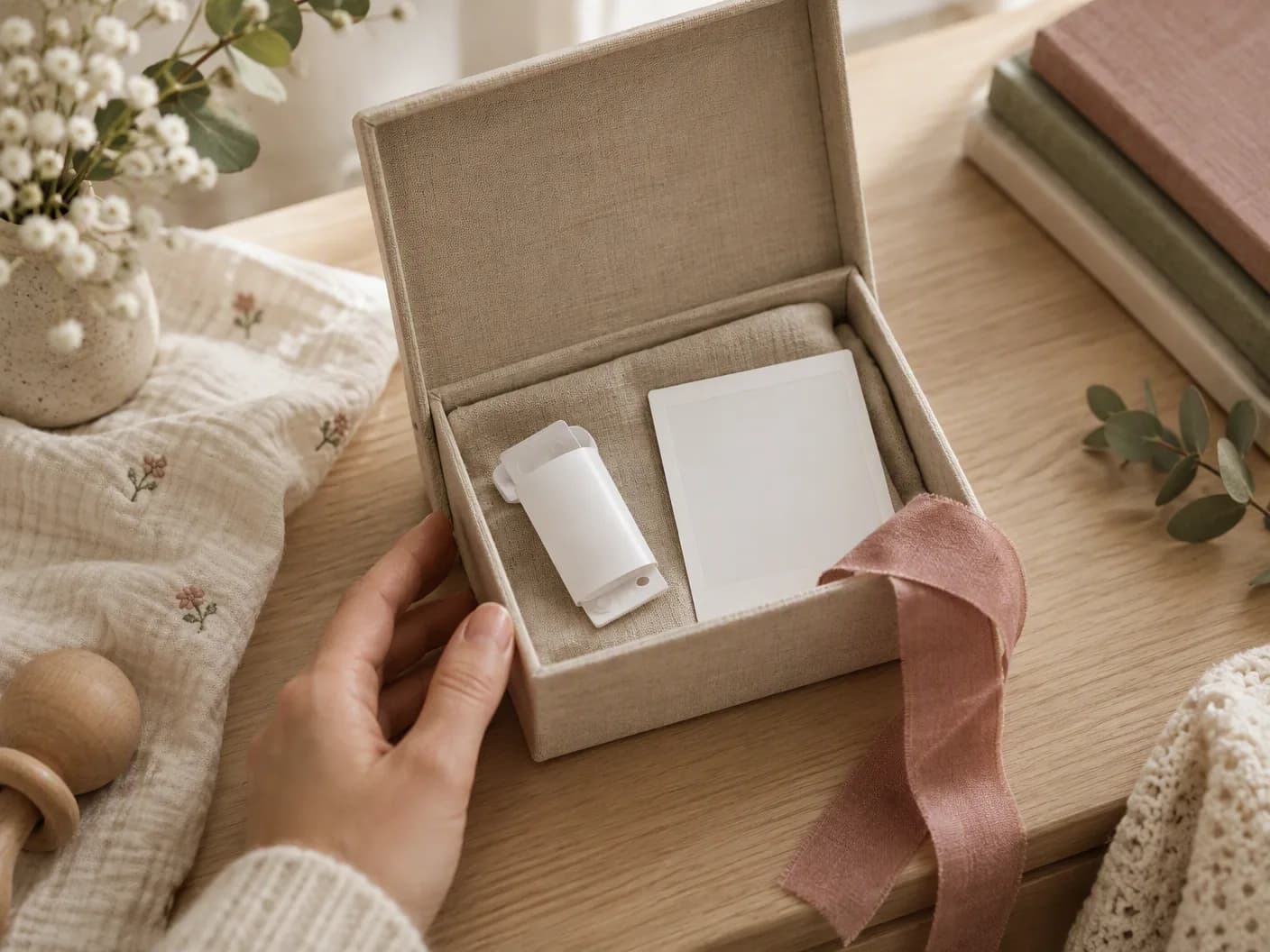
The most moving moment in a name’s life is the first time it’s written. On the hospital bracelet, on the ID card, on the first greeting card. Something that for months was only spoken suddenly becomes visible. Many mothers keep that bracelet for years, because on that strip of plastic is the moment a name was born.
After that the name is written everywhere: on the nursery door, in the corner of the blanket, on the back of the first photograph. Each writing makes the name a little more theirs. When a child sees their own name written somewhere for the first time, they run a finger over it. I’ve watched it four times; all four did exactly that.
A few quiet suggestions for new parents
- Say it out loud. As if calling from the kitchen, as if calling across a park, angrily and tenderly. If a name stays beautiful in all those voices, it’s the right one.
- Say it with the surname. A name alone sounds one way, with the surname another. Both together, out loud.
- Tell no one. Until the birth. Everyone has an opinion, and opinions wear a name out. Nobody argues with a name announced on the day the baby arrives.
- Don’t rush. You may still be undecided when the baby is born. That’s fine. Some names don’t come until you’ve seen the face.
The first name on the door
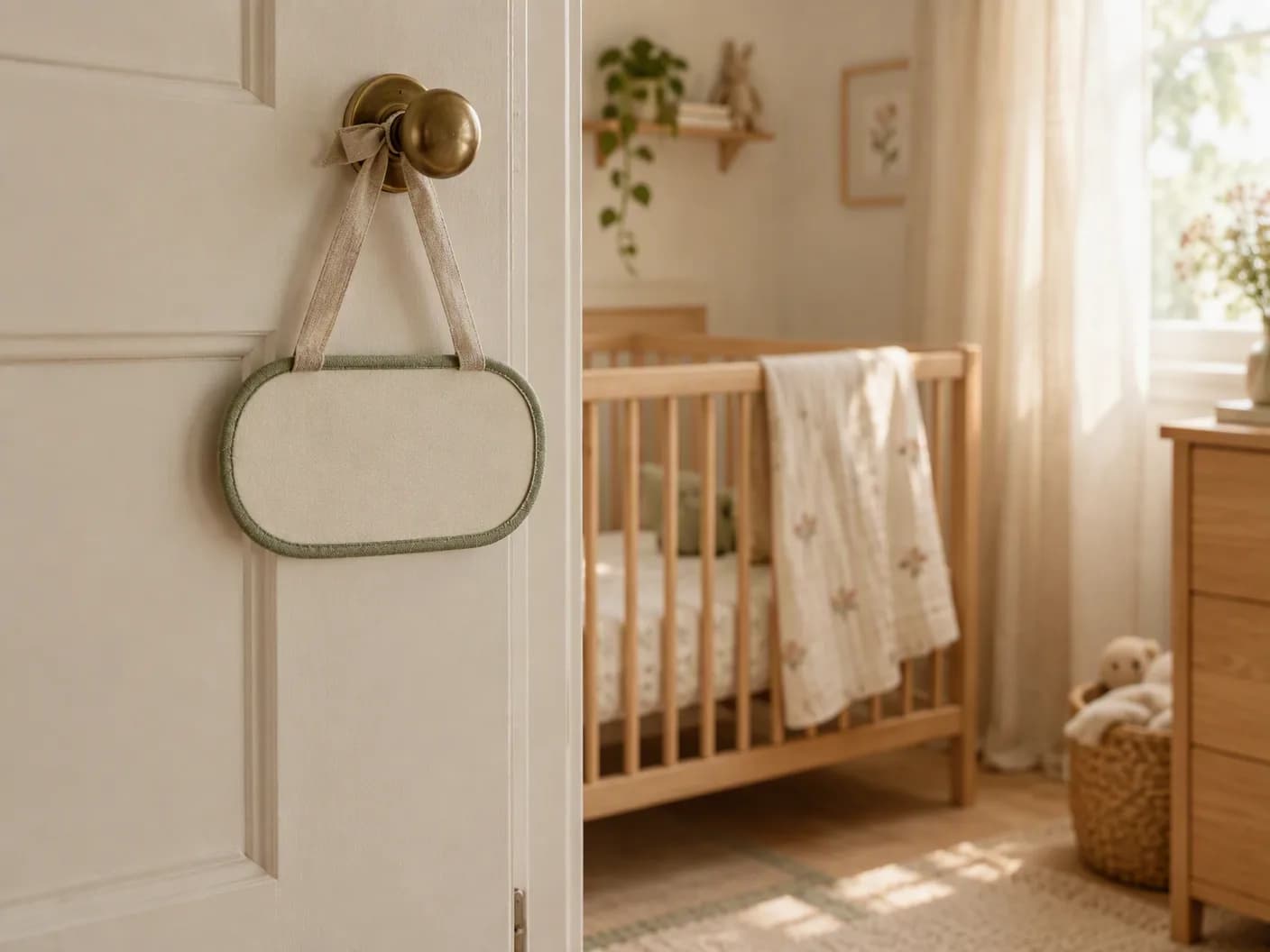
When the baby comes home, the name becomes permanent somewhere for the first time: on the door of their room. The room that took months to prepare stops being the nursery the moment the name goes up, and becomes theirs.
Their name, on their door
Their name in gentle script, hung on the door of the room you spent months getting ready.
Four names
This evening at dinner I say the four names one after another — Süleyman, Muammer, Hamza, Mehmet — to the table. Four heads turn. All those months of what if end in the turning of four heads.
That is how a name is found. You call, and they turn.
— Merve Doğan